Introduction
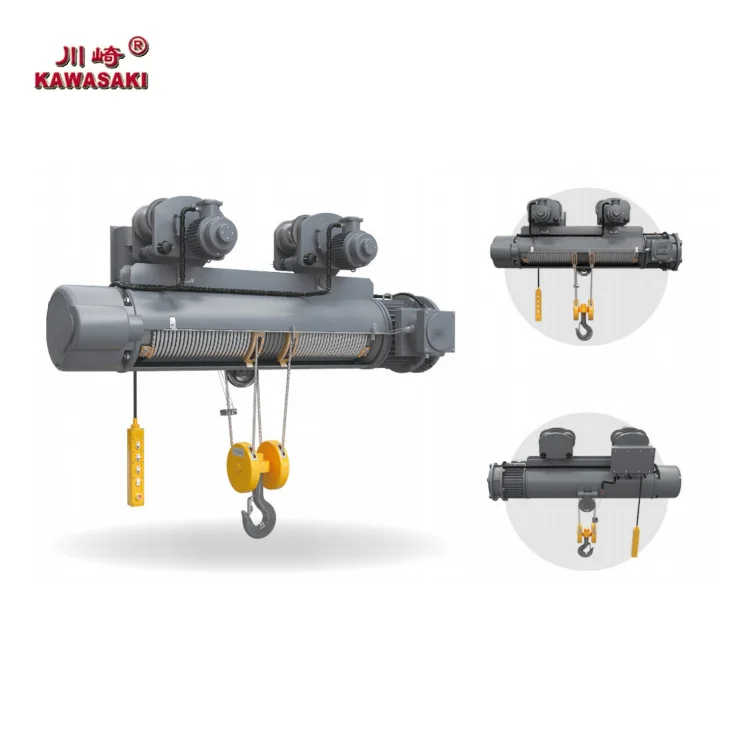
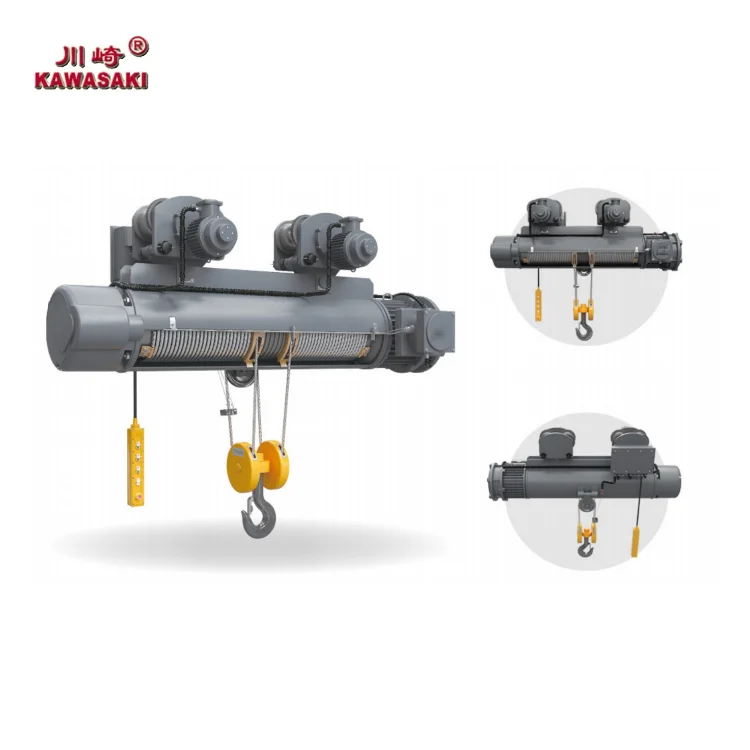
In modern industrial operations, wire rope hoists form the core of smooth upward lifting tasks. These devices manage loads in building sites and careful production setups. They often work in tough spots where steady performance matters a lot. A properly cared-for wire rope hoist keeps workflows going strong. It also avoids expensive stops and dangerous accidents.
Smart upkeep links closely to better returns on spending. When routine checks and fixes become everyday habits, parts last much longer. This means less need for new pieces and lower worker costs. Such methods turn upkeep from a cost into a way to guard profits.
Apollo has earned trust through building tough lifting tools. These blend strong materials with clever layouts. The firm’s dedication matches ideas from top players. For instance, “KAWASAKI” items stick to goals of offering clients top-notch quality, quick work, fair costs, great support, and the best follow-up care. Apollo stresses not just how well things run but also lasting reliability. This quality proves key for any wire rope hoist in factory settings.
Essential Daily Pre-Operational Checks
Everyday checks before starting are basic for safe use and longer equipment life.
Visual Inspection:
Operators need to look over for worn strands, bends, or swelling in the wire rope. Small issues can weaken load safety as time passes. A fast scan in bright light spots early damage signs. This helps stop them from turning into big problems.
Control Functionality:
Checking emergency stops and limit switches makes sure controls react well. These parts block extra movement and overload risks. Both often cause strain in upward lifting jobs.
Hook & Latch Integrity:
Look at hooks for pulls or bends. Also, make sure safety latches shut tight. A damaged latch or stretched hook opening might cause loads to drop by mistake during work.
| Checkpoint | Frequency | What to Look For |
| Wire Rope | Daily | Frays, kinks, corrosion |
| Control Buttons | Daily | Sticky or unresponsive switches |
| Hook Assembly | Daily | Bent hook or missing latch |
Lubrication: The Lifeblood of Your Hoist
Lubrication cuts down rubbing between parts that move. Picking the best oil depends on how thick it is and how well it sticks under weight. For spots with lots of rub, like gears and bearings, pick oils made for heavy use. They keep things gliding even with big loads.
Wire Rope Lubrication:
Good covering stops rust inside that happens when water gets into the wires. Operators apply oils that soak deep to the center. At the same time, they leave a shield layer on the outside.
Gearbox Maintenance:
Looking at oil amounts often catches leaks soon. A quick fall in levels could mean seals are wearing out or inside harm needs expert help.
Kawasaki brand lifting machinery must undergo strict testing before leaving the factory. The same idea fits lubrication habits. Steady routines make sure all parts work right from the start until the end.
Mechanical Component Care
How well mechanical parts hold up decides the steady work of a wire rope hoist over many years.
Brake System Adjustment:
Brakes have to grip loads firmly without slipping when still. A small slide during hold might point to worn pads or wrong setup.
Drum & Sheave Inspection:
Wear in grooves on drums or sheaves can hurt wire ropes too soon. It changes their normal twist. Even grooves keep pull spread out across wires.
Motor Health:
Cleaning fans that cool often stops heat buildup. This issue often leads to motor breakdowns in building hoists facing dust or junk-filled air.
Electric hoists are usually equipped with safety devices such as safety limit switches and overload protection devices, which can improve safety. Regular care ensures these safety mechanisms remain responsive throughout long-term use.
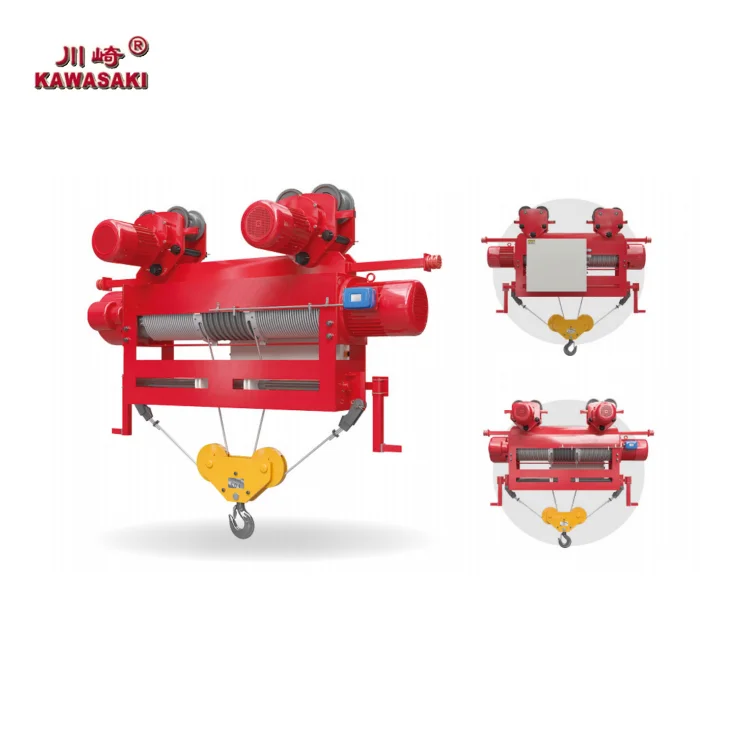
Electrical System Integrity
Electrical setups need the same focus. Tiny problems can grow into big dangers.
- Inspect contactors and wiring for discoloration or arcing marks.
- Test pendant controls and wireless remotes for consistent signal transmission.
- Verify voltage stability using a multimeter; fluctuating voltage is often responsible for premature motor burnout.
A steady power setup promises even upward lifting runs without surprise breaks.
Load Testing and Compliance
Load tests check both strength and quick response under set conditions.
- Static Load Testing: Confirms structural integrity by applying test loads without movement.
- Dynamic Load Testing: Simulates real operational stresses during lifting cycles.
Following global rules like ISO, CE, or ASME means each Apollo wire rope hoist hits known marks for safety and toughness. Keeping records of upkeep in digital or paper form readies teams for reviews. It also builds duty among workers. For example, in a busy warehouse lifting 5-ton loads daily, these tests catch weak spots early, cutting accident risks by up to 30% based on industry reports.
Our company has passed ISO9001, ISO2000 quality system certification, and obtained European Community CE/GS safety certification.
Common Troubleshooting and When to Replace Parts
Every hoist hits a stage where fixes no longer make sense.
- Wire Rope Discard Criteria: Replace immediately if there’s a 10% reduction in nominal diameter or visible broken wires concentrated within one strand lay.
- Motor & Brake Assembly Overhaul: Unusual noises, vibrations, or slow response indicate internal wear requiring professional servicing.
- Use Genuine Replacement Parts: Apollo recommends using original parts designed specifically for its models to maintain compatibility and load integrity.
Electric hoists have these advantages over hand chain hoists: larger lifting capacity higher work efficiency higher degree of automation. To preserve these advantages over time, timely replacement using authentic components is essential. In real factory cases, swapping worn ropes on schedule has boosted uptime by 25%, drawing from years of hands-on experience in heavy industry.
Conclusion
Consistent maintenance transforms a standard wire rope hoist into a long-term asset capable of delivering reliable performance across countless shifts. From lubrication routines to electrical inspections, every action contributes to extended service life and reduced downtime costs. Apollo continues to stand out for its engineering excellence. Reliable lifting starts with quality engineering; if existing equipment shows signs of irreparable wear or performance decline, contact Apollo’s technical team today for consultation on high-performance wire rope hoists or request a detailed maintenance schedule tailored to your fleet requirements.
FAQs
Q1: How often should a wire rope hoist undergo a “Deep Inspection”?
A: While daily checks are mandatory, periodic deep inspections should be conducted every 3–12 months depending on usage intensity and environmental exposure levels such as humidity or corrosive atmospheres commonly found in construction hoists operations.
Q2: What are the primary indicators that a wire rope needs immediate replacement?
A: Key warning signs include visible broken wires within one strand lay, severe kinking from improper winding on drums, heat discoloration due to overload friction, or reduction exceeding 10% of nominal diameter measurements.
Q3: Can any industrial grease be used for wire rope lubrication?
A: No—wire ropes require specialty lubricants formulated to penetrate inner strands while maintaining surface tackiness even under outdoor exposure conditions typical in vertical lifting tasks.
Q4: Why does my hoist motor overheat under rated loads?
A: Common causes include unstable voltage supply, restricted cooling airflow from blocked vents, or brake assemblies not fully releasing before lift initiation—all factors increasing current draw beyond design limits.
Q5: What benefits does a dual-speed hoist provide for maintenance longevity?
A: Dual-speed systems allow smoother starts/stops through “inching” control modes that minimize gear shock loading—significantly extending both gearbox life expectancy and brake lining intervals compared with single-speed units used in similar duty cycles.