Introduction
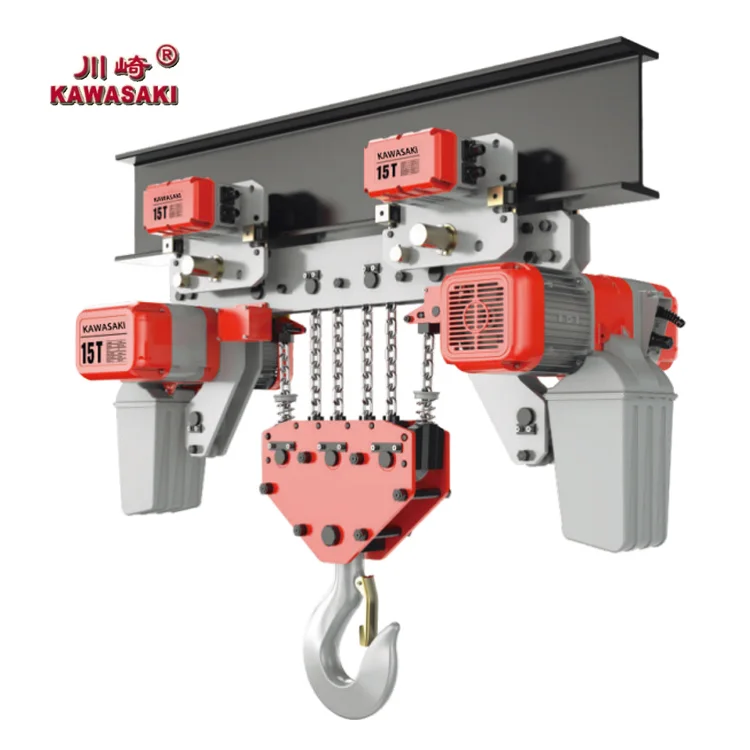
The industrial landscape of 2026 revolves around automation, data links, and accurate logistics. Modern warehouses and production sites depend on automated lifting gear to shift materials securely and smoothly. Electric chain hoists play a key role in this shift. They connect sturdy mechanics with smart controls.
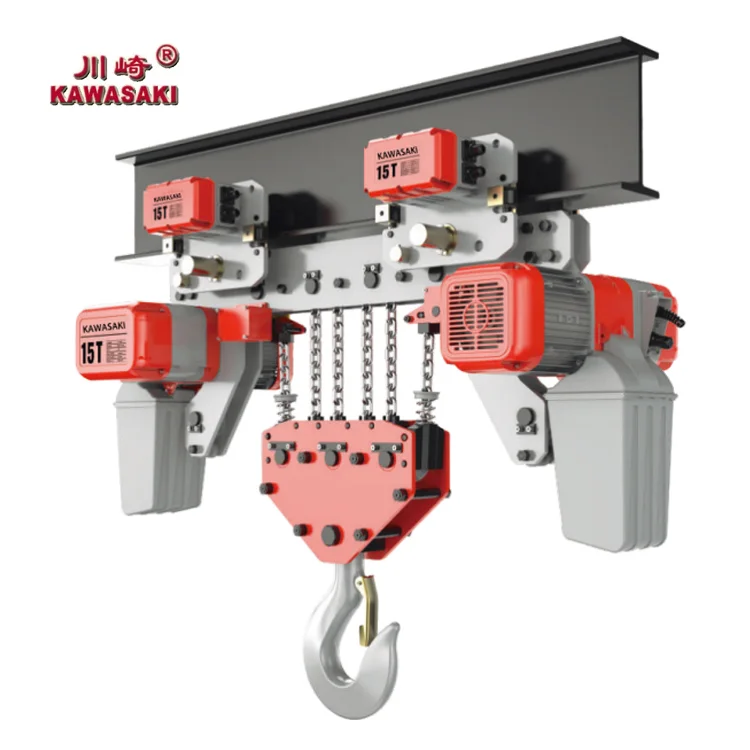
If an electric chain hoist gets stuck or breaks down during work, assembly lines can stop suddenly. A mere five-minute holdup in a car plant might cost thousands in lost work. Such minor glitches spread through supply networks. This makes downtime a major hidden expense in factory tasks.
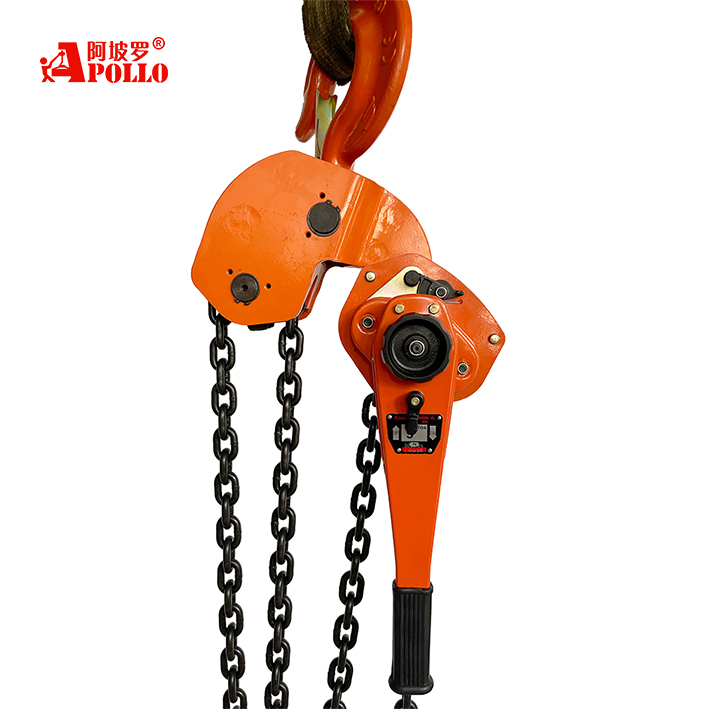
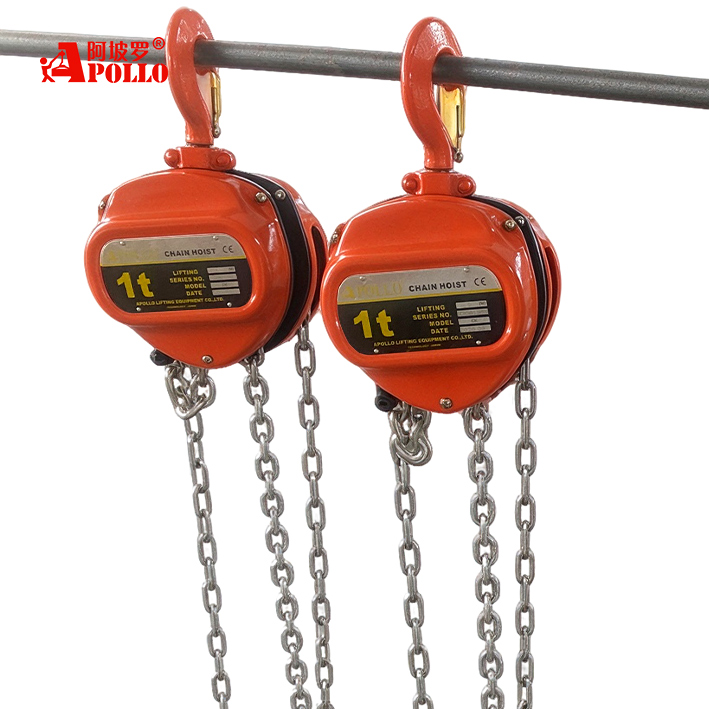
Apollo has built its reputation as a leader in high-performance hoisting technology by tackling these problems directly. The firm’s design approach stresses dependability and protection. It cuts down on gear breakdowns via smart building and tough checks. Apollo’s lineup of electric chain hoists is made for lasting use and exact work. These suit today’s factory lifting needs that allow no mistakes.
Power and Control Failures: Beyond the Basics
Power irregularities remain one of the most common culprits behind hoist malfunction. In smart grid environments of 2026, voltage fluctuations and phase reversal can quietly degrade motor windings over time. When one phase runs at lower voltage or reverses polarity, torque imbalance occurs, leading to overheating or “single-phasing,” which shortens motor life dramatically.
Wireless remote controls boost ease of movement on shop floors. Yet, they bring fresh debugging hurdles. Signals can get blocked by close Wi-Fi devices or metal barriers. This causes spotty command drops. Often, folks mistake this for a motor problem.
Apollo fixes these weak spots with built-in phase-guard relays. These units spot power oddities right away, before they hit danger levels. They stop motor damage by shutting off power in risky spots. At the same time, they keep records of runs for later review. This helps upkeep crews handling many devices in big plants.
Mechanical Wear and Tear: Chain & Hook Integrity
Parts wear out naturally in busy lifting spots. But spotting it early changes everything. Chain jams with “clicking” sounds often mean sprocket offset or poor oiling. If dirt mixes into the grease, rubbing grows fast. This causes early damage on the weight-holding parts of chain pieces.
Hook deformation presents another serious hazard often overlooked during routine checks. Tip loading—when a hook carries weight unevenly at its point rather than its bowl—creates stress concentrations that can lead to microfractures and eventual failure under heavy loads.
Apollo combats these issues with precision-engineered load sheaves and heat-treated alloy chains designed for extended service intervals and consistent performance under demanding conditions. These components undergo extensive quality assurance testing—including load simulation and material fatigue evaluation—to meet ISO9001 standards before shipment.
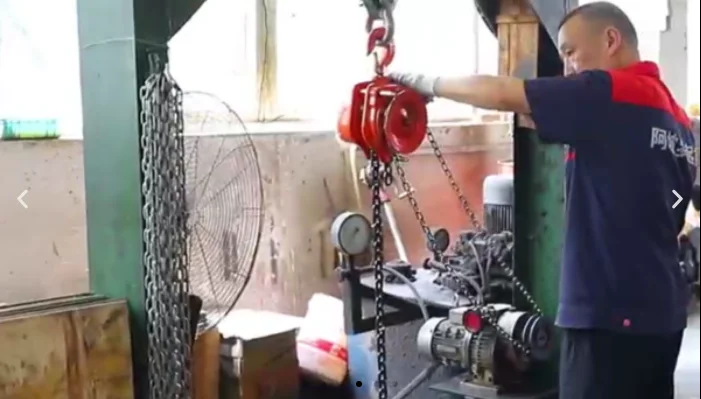
Table: Common Mechanical Symptoms vs Root Causes
| Symptom | Possible Cause | Recommended Action |
| Clicking noise during lift | Dry or contaminated lubrication | Clean and re-lubricate with high-penetration oil |
| Chain binding | Sprocket misalignment | Realign drive sprocket; check tension |
| Hook tip bending | Side-pulling or overload | Replace hook immediately; inspect load path |
| Irregular chain pitch | Excessive wear | Replace entire chain assembly |
Brake Slippage and Thermal Overheating
Brake slip—or the slow “creep” effect—happens when loads shift a bit after stop signals. This usually comes from a wider gap in the magnetic brake due to rubbing or heat swelling. As heat climbs in steady runs, the pull from magnets drops slightly. This lets loads move under steady weight push.
Managing work cycles matters a lot here. Even top electric chain hoists need rest breaks after long use in hot areas like metal shops or dockyards. For instance, in a busy foundry, running without pauses can push temps over 150°C, risking brake fade.
Apollo’s auto-fixing brake setups adjust gaps after every cycle on their own. This keeps strong grip power without hand work. Plus, better heat-release fins in the motor shell cut down warmth buildup. These features allow more ongoing time without hurting safety or output.
2026 Maintenance Compliance & Safety Protocols
Smart upkeep has grown from a nice-to-have to a must-do rule in 2026’s factory world. IoT-based check tools built into Apollo’s electric hoists watch key details nonstop. These include lift counts, brake heat, and power use trends.
Such clever monitoring systems send instant warnings before wear turns into pricey stops. Take an auto line example: sensors caught a 15% rise in current draw early, averting a full shutdown that could have idled 50 workers for hours.
Training operators stays just as important. Wrong tying methods cause about 40% of hoist harm reports in fields, per late studies.
Rules go past company ways. All Apollo fix steps match OSHA and CE marks for gear safety approval.
Apollo has passed ISO9001, ISO2000 quality system certification, and obtained European Community CE/GS safety certification. This makes sure every fix or check under Apollo’s watch hits worldwide work safety levels.
Key Maintenance Practices
- Conduct visual inspections daily
- Verify limit switch function weekly
- Perform full-load test quarterly
- Replace worn chains immediately upon elongation detection
- Maintain detailed service logs for compliance audits
Conclusion
Steadiness in factory lifting gear relies on solid machines and forward-thinking checks plus steady upkeep habits. Catching signs soon—from small brake shifts to slight power quirks—keeps gear life long and workers safe.
As plants get sharper and work rounds tighter in 2026, pro tools need pro backup systems.
Apollo continues to lead this evolution by combining advanced engineering with responsive technical service teams capable of customizing solutions for diverse industries—from automotive assembly lines to offshore fabrication yards.
Apollo offers a comprehensive suite of heavy-duty solutions engineered for operational continuity. Please reach out via official contact channels for further information regarding specialized lifting requirements.
FAQs
Q1: Why does my electric chain hoist motor hum but refuse to lift the load?
A: This typically indicates a single-phasing condition where one power phase is lost or a faulty start capacitor prevents torque buildup. It may also mean the load exceeds rated capacity triggering thermal overload protection.
Q2: How often should the load chain be lubricated in a high-cycle environment?
A: For continuous-duty applications such as automotive manufacturing lines, inspect daily and lubricate weekly using high-penetration oil; in dusty environments switch to dry-film lubricants to prevent grit accumulation.
Q3: What are signs that an electromagnetic brake needs replacement?
A: Load drift after stopping commands or grinding noises during engagement suggest excessive air gap wear—both are cues for immediate service inspection.
Q4: Can side-pulling permanently damage an electric chain hoist?
A: Yes—side-pulling applies lateral stress beyond design limits causing premature sheave wear or even derailment from sprockets which poses serious safety risks.
Q5: What determines the standard lifespan of a professional-grade hook?
A: Lifespan depends on deformation rather than usage time; if throat opening expands more than 10% from original dimension or cracks appear under NDT inspection—the hook must be retired immediately.