Introduction
Industrial lifting operations form the foundation of manufacturing, construction, and logistics. Plant managers often struggle to pick an electric hoist with suitable capacity for each job. Choosing a model too large drives up initial spending. Picking one too small raises safety concerns. The choice shapes daily output, how often repairs occur, and overall returns over time.
Apollo has earned trust as a maker and OEM supplier of electric hoists among industrial users worldwide. Its lineup includes chain hoists, wire rope hoists, and made-to-order lifting gear suited to many fields, from warehouses to shipyards. This article explores how to match Apollo electric hoist capacity to industrial tasks by reviewing technical details, typical uses, and buying steps.
Understanding Apollo Electric Hoist Specifications
Key Capacity Parameters
Capacity in an electric hoist goes beyond a listed number. It sets the safe working range and daily performance. Buyers should review three main items:
| Parameter | Description | Impact |
| Load Capacity (Tonnes) | Maximum weight the hoist can lift safely. | Determines whether it can handle peak loads without strain. |
| Lifting Height | Vertical distance between the load and its resting position. | Affects motor power and drum design. |
| Duty Cycle | Frequency of lifts within a given time frame. | Influences motor life and thermal protection needs. |
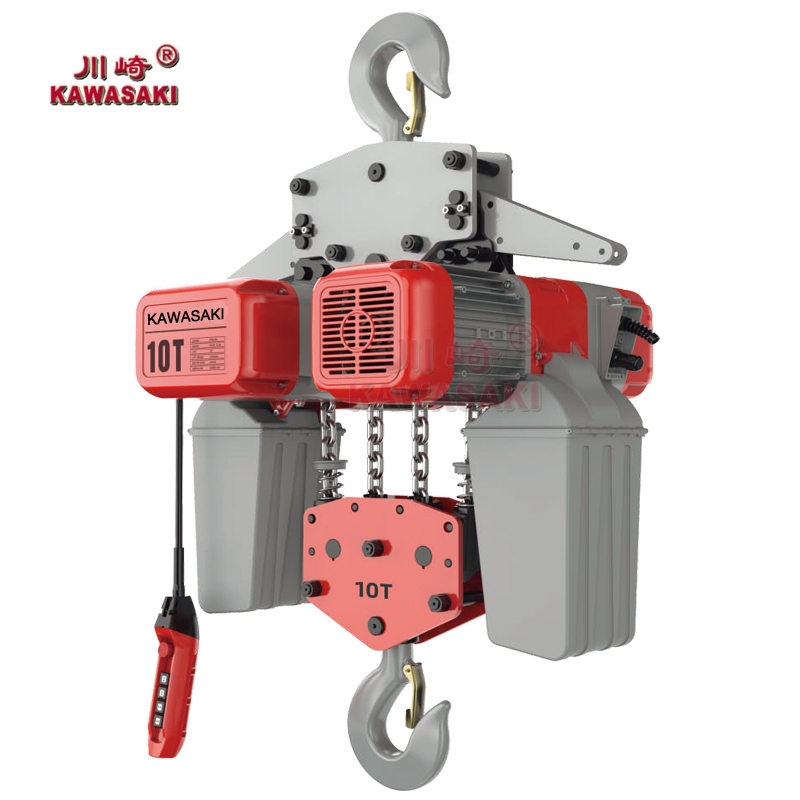
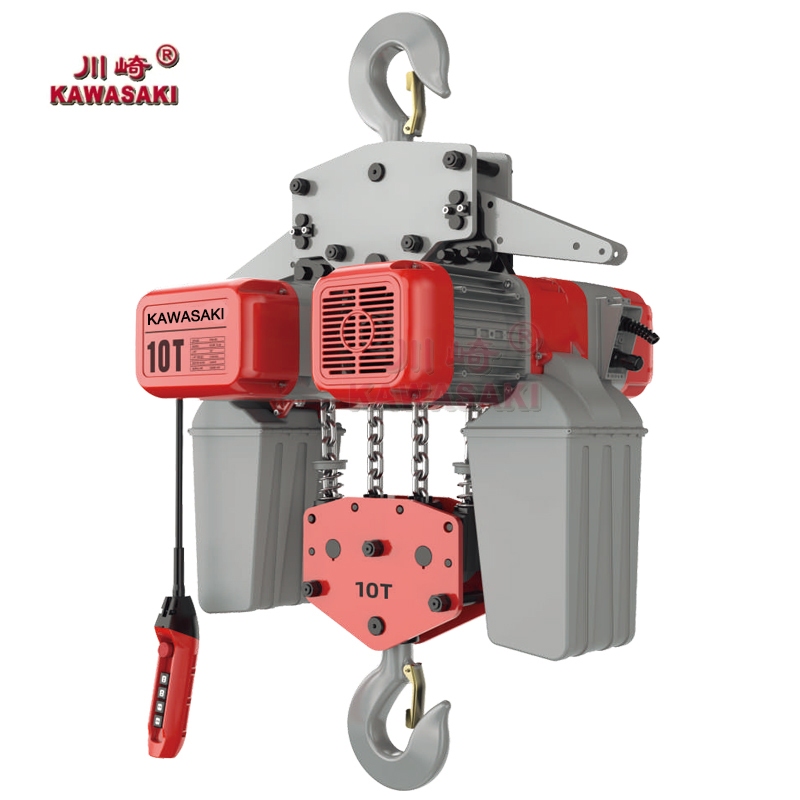
The lifting capacity of electric hoists can reach up to tens of tons. Industrial users moving heavy molds or steel beams can count on Apollo high-capacity units without overload worries or lost time.
Speed and Control Options
Speed choice matters when loads and site conditions change. Apollo supplies both single-speed and dual-speed models. These options help balance accuracy and output speed.
Control methods also differ. Manual push button units work for short moves. Pendant control fits most factory floors. Remote control keeps operators clear of danger zones.
Buyers can add features such as explosion-proof builds, dust protection, rain covers, or frequency control. These options let Apollo electric hoists fit jobs that need steady motion or extra weather resistance.
Chain, Wire Rope, and Beam Compatibility
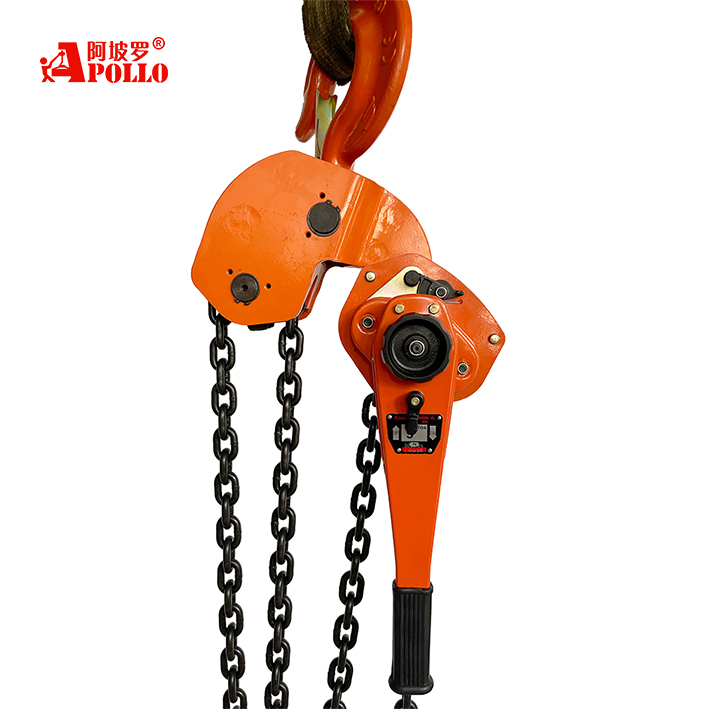
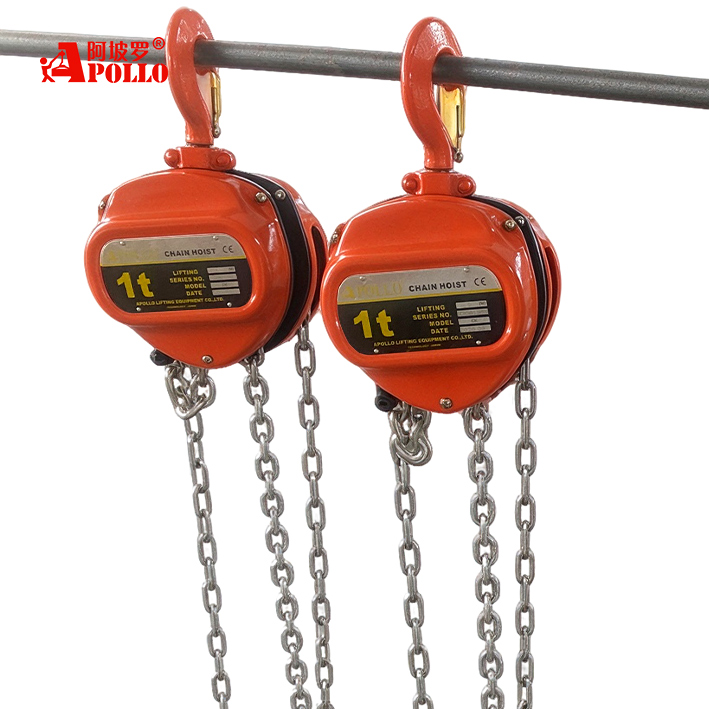
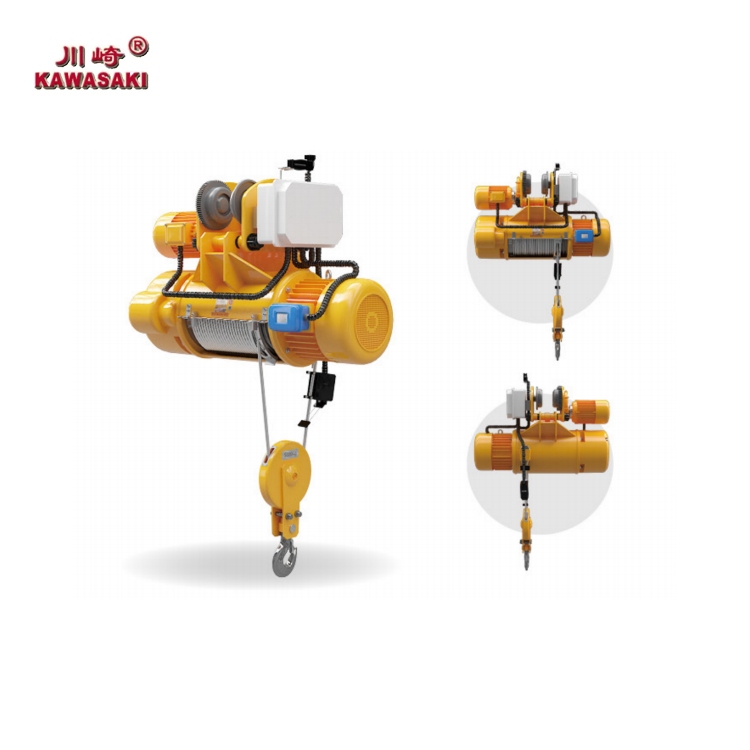
Chain or wire rope selection depends on load type and lift distance. Chain hoists stay compact and suit shorter lifts. Wire rope hoists handle bigger loads and taller reaches.
Buyers can request T80 or T100 chain for longer service life under repeated use. Before install, teams check beam size and trolley fit so travel stays smooth on overhead tracks.
Selecting Hoist Models for Industrial Applications
Warehouse and Storage Solutions
Warehouse work often involves moving pallet loads or bulk items. Apollo chain hoists provide good handling in these spaces. They pair well with overhead cranes or I-beam trolleys to speed up repeat lifts.
Chain hoists appear in storehouses, factories, farms, and even home settings. This range of use makes them practical for logistics sites that need quick cycles and steady performance.
Construction and Steel Structure Sites
Construction areas expose gear to dust, vibration, and weather. Apollo heavy-duty electric hoists handle these conditions through stronger housings and adjustable lift speeds.
Added features such as explosion-proof or rain-proof designs keep operation steady when site conditions shift.
Mining, Port, and Automotive Maintenance
Mining shafts and port areas often deal with uneven loads. Higher-capacity wire rope hoists give better control during vertical moves. Automotive shops use compact models for frequent engine work.
Safety standards stay strict in these fields. Teams should confirm CE, GS, and ISO9001 marks before purchase to meet local rules.
Procurement Considerations for B2B Buyers
Choosing a Trusted Supplier or Manufacturer
A steady hoist supplier delivers product and maintains quality checks. Apollo works as an OEM/ODM maker with flexible order sizes for both small jobs and large contracts.
Monthly output reaches 500 electric hoists. These numbers show Apollo can handle volume orders while keeping batch checks in place.
Customization and RFQ Process
Factory layouts vary, so equipment setups should match. Buyers may request changes to lift height, dual-speed controls, voltage from 110V to 575V, or surface color and logo.
To start an RFQ, clients list model type, rated load in tonnes, control style, voltage needs, and site conditions such as humidity or temperature range.
After-Sales Support and Warranty
Apollo offers install help and pre-shipment tests. Maintenance plans extend motor life and cut unplanned stops on busy lines.
Strong service coverage protects equipment value and keeps lifts running without long breaks.
Quality, Safety, and Compliance
Apollo hoists are manufactured under stringent quality standards. ISO9001 certification ensures systematic factory quality management, while CE and GS certifications confirm compliance with international safety requirements.
Tests cover static loads, running checks, and overload protection. Each unit must meet performance levels before it leaves the plant. Electric hoists normally include limit switches and overload devices. These items lower accident chances and support longer service life when total ownership cost is calculated.
Conclusion
Picking the right Apollo electric hoist involves more than tonnage alone. It requires matching specs to actual site conditions. Speed range, duty cycle, weather exposure, and mounting all shape the final choice.
B2B buyers looking for steady supply at volume gain from direct sourcing with a certified maker like Apollo. Benefits include flexible builds, steady quality, clear pricing steps, and reliable shipment timing that supports ongoing projects.
Explore Apollo’s full range of electric hoists or submit an RFQ today to configure the ideal industrial lifting solution for your specific operational needs. Get in touch with us now.
FAQs
Q1: How do I determine the correct hoist capacity for my industrial application?
A: Review the heaviest load, required lift height, and how often lifts occur. Match these points to the model data from the chosen series.
Q2: What are the main differences between chain and wire rope hoists?
A: Chain models work well in tight spaces. Wire rope models manage heavier loads over greater heights and suit construction or port work.
Q3: Can Apollo customize hoists for specific factory setups?
A: Yes. Options cover brand marks, explosion-proof or dust-proof builds, voltage changes, and surface treatments based on the install setting.
Q4: What safety certifications should I check when choosing a hoist?
A: Look for CE, GS, and ISO9001 marks. These show the equipment meets recognized safety levels.
Q5: How do I request a quotation for bulk or custom orders?
A: Reach Apollo sales through the RFQ form. Include model type, load range in tonnes, control preference, voltage from 110V to 575V, and any extra build details needed for the project.