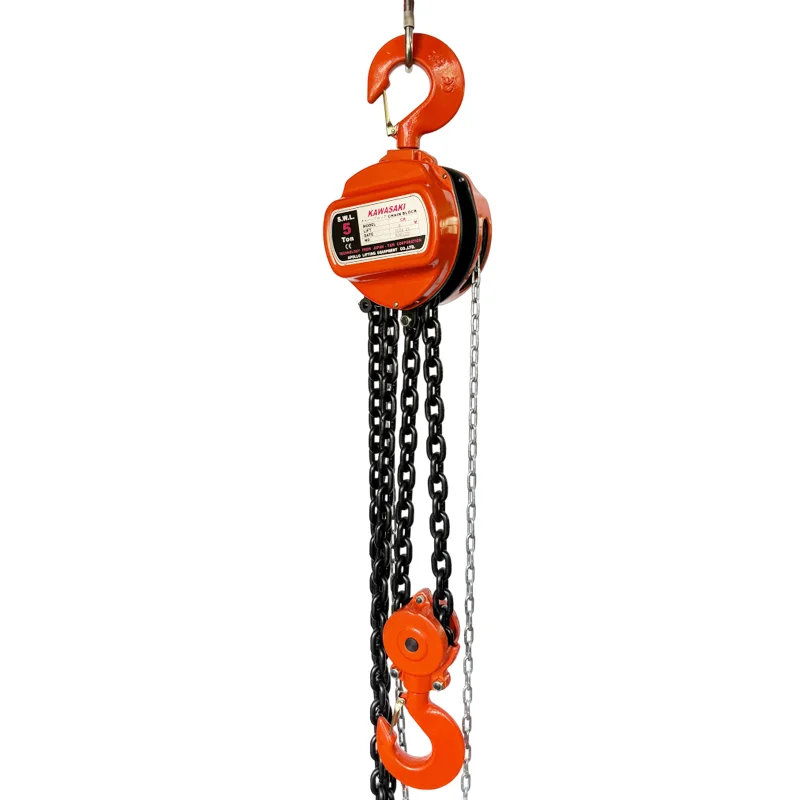
Introduction to Chain Hoists and Common Issues
Chain hoists are indispensable tools in various industries, including construction, manufacturing, and warehousing, due to their ability to lift heavy loads efficiently. However, operators often encounter issues such as chain twists or knots, which can compromise safety and reduce operational efficiency. A chain twist occurs when the links of the chain become misaligned, often due to improper handling or wear, while a knot refers to a more severe entanglement that can halt operations entirely. According to industry reports, chain-related incidents account for approximately 15% of hoist failures, leading to downtime and potential accidents. This article aims to provide a detailed, step-by-step approach to identifying, preventing, and resolving chain twists or knots, ensuring that your chain hoist operations remain safe and productive. By understanding the root causes and implementing best practices, companies can minimize risks and extend the lifespan of their equipment.
Understanding the Causes of Chain Twist or Knot
Chain twists and knots are common problems in chain hoist operations that not only affect work efficiency but can also lead to serious safety incidents. To effectively prevent these issues, it’s essential to first understand their root causes.
Improper Operation
Improper use by operators is one of the primary causes of chain problems. Specific manifestations include:
- Side Pulling: Not following the vertical lifting principle, pulling the chain at an angle, causing uneven force distribution and resulting in twists.
- Overloading: Using the hoist beyond its rated capacity, subjecting the chain to excessive stress that leads to deformation and twisting.
- Rapid Operation: Rapid lifting or lowering, causing sudden stress on the chain and increasing the risk of twisting.
- Improper Stopping: Forcing operation to stop when the chain is not fully extended or retracted, causing local accumulation of chain links.

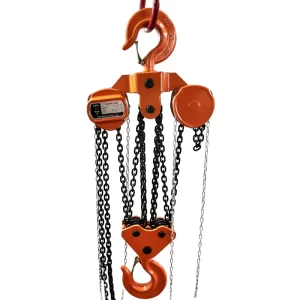
Storage and Maintenance Issues
Improper storage and maintenance practices significantly increase the likelihood of chain problems:
- Haphazard Storage: Chains not properly coiled and stored randomly on the ground, easily leading to self-tangling and knots.
- Humid Environments: Storage in damp or dusty environments causes chains to rust and corrode, increasing movement resistance and promoting twisting.
- Lack of Lubrication: Failure to regularly lubricate the chain increases friction between links, resulting in inflexible operation.
- Insufficient Inspection: Lack of regular inspection systems prevents early detection of twisting signs.
Expert Tip: According to industry data, over 50% of chain failures are directly related to improper storage and maintenance. Establishing standardized storage and maintenance procedures can significantly reduce failure rates.
Equipment Design and Quality Issues
Inherent design and quality problems in equipment are also significant factors causing chain twists:
- Mismatched Sprockets: Sprockets and chain specifications not matching properly, leading to poor engagement and increased twisting risk.
- Material Defects: Insufficient chain material strength or improper heat treatment, making it prone to permanent deformation under stress.
- Manufacturing Tolerances: Excessive manufacturing tolerances in chain links result in insufficient overall chain flexibility, causing local stress concentration.
- Missing Guide Devices: Lack of effective chain guide devices prevents maintaining orderly chain arrangement during extension and retraction.
Environmental Factors
Working environment directly affects chain condition:
- Temperature Variations: In extreme temperature environments, metal chains expand and contract, changing their physical properties.
- Chemical Corrosion: In chemical plants or coastal areas, airborne chemicals accelerate chain corrosion.
- Dusty Environments: Dust and particles entering chain link gaps increase wear and jamming risks.
- Space Constraints: Confined working spaces increase the possibility of chains colliding with and tangling around surrounding objects.
Preventive Measures to Avoid Chain Issues
Through systematic preventive measures, the risk of chain twists and knots can be significantly reduced, extending equipment service life and improving operational safety.
Standardized Operating Procedures
Establishing and strictly implementing standardized operating procedures is key to preventing chain problems:
- Vertical Lifting Principle: Ensure the load point, hoist, and lifting point are in a vertical line to avoid side pulling.
- Smooth Operation: Maintain steady speed during lifting and lowering, avoiding sudden stops and starts.
- Load Monitoring: Use load indicators to ensure no overloading operations.
- Pre-operation Inspection: Check chain condition before each use, addressing early signs of twisting immediately.
Best Practice: Implementing the “Three-Check System” – check before operation, check during operation, and check after operation – can reduce chain failures by 70%.
Scientific Storage and Maintenance System
Establishing a scientific storage and maintenance system is crucial for preventing chain problems:
- Dedicated Storage Devices: Use specialized chain racks or storage boxes to avoid random storage.
- Environmental Control: Store chains in dry, clean environments with controlled humidity.
- Regular Lubrication Schedule: Implement a lubrication schedule based on usage frequency and environmental conditions.
- Professional Maintenance: Arrange regular professional maintenance and inspection by qualified technicians.
Operator Training and Certification
Well-trained operators are the first line of defense against chain problems:
- Comprehensive Training Programs: Develop training covering equipment principles, safe operation, and emergency handling.
- Regular Refresher Courses: Conduct annual refresher training to reinforce proper techniques.
- Certification System: Implement an operator certification system to ensure only qualified personnel operate equipment.
- Practical Assessment: Include hands-on assessment in training to verify operational competence.
Equipment Selection and Technical Solutions
Choosing the right equipment and implementing technical solutions can prevent many chain issues:
- Appropriate Specifications: Select hoists with appropriate specifications for the intended application.
- Quality Certification: Choose equipment with quality certifications and proven reliability.
- Anti-twist Features: Opt for hoists with built-in anti-twist mechanisms and chain guides.
- Monitoring Systems: Install chain monitoring systems that detect early signs of twisting.
Regular Inspection and Maintenance Schedule
Implementing a structured inspection and maintenance schedule is essential for early problem detection:
- Daily Visual Checks: Quick visual inspection before each use for obvious issues.
- Weekly Detailed Inspection: Thorough examination of chain condition, looking for wear, deformation, or corrosion.
- Monthly Professional Assessment: Comprehensive assessment by maintenance professionals.
- Record Keeping: Maintain detailed records of all inspections and maintenance activities.
Step-by-Step Guide to Handling Chain Twist or Knot
When a chain twist or knot occurs during hoist operation, following a systematic approach is crucial for both equipment safety and personnel protection. The steps below outline the proper procedure for addressing this issue.
Immediate Action: Stop Operation
As soon as a chain twist or knot is detected, take these immediate actions:
- Cease all hoist operations immediately– Do not attempt to continue lifting or lowering the load
- Secure the load– If the load is suspended, ensure it is properly supported or lowered to a stable position if possible
- Alert personnel– Notify all workers in the vicinity about the situation and establish a safety perimeter
- Lock out the equipment– Use lockout/tagout procedures to prevent accidental activation
Critical Safety Note: Never attempt to force a twisted or knotted chain while it is under load. This can cause sudden chain failure, leading to equipment damage or serious injury.
Assessment and Inspection
Before attempting to resolve the issue, thoroughly assess the situation:
- Wear appropriate PPE– Put on safety gloves, protective eyewear, and steel-toed boots
- Identify the problem area– Locate the exact section where the twist or knot has occurred
- Determine severity– Assess whether it’s a simple twist or a complex knot that may require professional assistance
- Check for damage– Inspect the chain for any signs of wear, deformation, or cracks that may have contributed to the issue
- Document the issue– Take photos or notes for maintenance records and future prevention
Safe Chain Release Procedure
If the chain is under tension, follow these steps to safely release it:
- Relieve tension gradually– If possible, slowly lower the load to remove tension from the chain
- Use secondary support– If the load cannot be lowered directly, use appropriate stands or supports to bear the weight
- Never use excessive force– Avoid pulling, hammering, or applying leverage to a tensioned chain
- Work from a safe position– Position yourself so you’re not in the line of potential chain failure
Pro Tip: If the chain is severely knotted under load, consider using a come-along or other hoisting device to carefully relieve tension while maintaining control of the load.
Untwisting the Chain
For simple chain twists, follow this procedure:
- Manual manipulation– Gently work the twisted section by hand, moving links back into alignment
- Use appropriate tools– For stubborn twists, use chain hooks or non-marring pliers to carefully work the links
- Work systematically– Address one twist at a time, working from one end of the affected section to the other
- Check for free movement– After untwisting, ensure all links move freely without binding
Resolving Chain Knots
For more complex chain knots, this approach is recommended:
- Disconnect if necessary– If safe to do so, disconnect the chain from the hoist to work on a flat surface
- Identify the knot structure– Determine how the chain has intertwined to plan the best approach for untying
- Loosen the knot– Gently manipulate the chain to create slack in the knot
- Work from the ends– Begin untying from the chain ends rather than the center of the knot
- Use lubrication if needed– Apply a small amount of chain lubricant to reduce friction in tight sections
- Avoid cutting– Never cut a knotted chain unless absolutely necessary and only as a last resort
Post-Resolution Inspection
After resolving the twist or knot, conduct a thorough inspection:
- Visual examination– Check the entire length of the chain for any damage that may have occurred
- Link function test– Ensure all links move freely without stiffness or binding
- Measure for stretch– Compare the chain to an unused section to check for permanent elongation
- Document findings– Record any damage or wear discovered during inspection
Important: If any damage is found during inspection, the chain must be taken out of service immediately and replaced. Never use a damaged chain.
Functional Testing
Before returning the hoist to service, perform these tests:
- No-load test– Operate the hoist without a load to ensure smooth chain movement
- Light load test– Test with a load well below capacity to verify proper operation
- Monitor for abnormalities– Listen for unusual noises and watch for irregular chain movement
- Verify safety devices– Ensure all hoist safety mechanisms are functioning correctly
Safety Precautions and Best Practices
Implementing proper safety precautions is essential when working with chain hoists, especially when addressing problems like chain twists and knots. The following guidelines will help maintain a safe working environment.
Personal Protective Equipment (PPE)
Always wear appropriate PPE when operating or maintaining chain hoists:
- Safety gloves– Protect hands from sharp edges and pinch points
- Protective eyewear– Shield eyes from flying debris or broken chain components
- Steel-toed boots– Protect feet from falling objects
- Hard hat– Essential when working under suspended loads
- Hearing protection– Required in high-noise environments
Safety First: PPE is the last line of defense. Always prioritize engineering controls and safe work practices over reliance on PPE alone.
Pre-Operation Safety Checks
Conduct these checks before each use of the chain hoist:
- Visual inspection– Check the chain for twists, knots, wear, or damage
- Functional test– Operate the hoist without load to verify smooth operation
- Load rating verification– Confirm the load does not exceed the hoist’s capacity
- Attachment inspection– Check hooks, latches, and other attachments for damage or deformation
- Environment assessment– Ensure the work area is clear of obstructions and hazards
Operational Safety Guidelines
Follow these guidelines during hoist operation:
- Never exceed rated capacity– Overloading is a leading cause of chain failure
- Avoid shock loading– Apply load gradually rather than with sudden force
- Maintain proper alignment– Ensure the chain, hoist, and load are in vertical alignment
- Use designated lifting points– Only attach to points designed for lifting
- Keep clear of suspended loads– Never stand under or walk under a suspended load
- Monitor chain during operation– Watch for any signs of twisting or abnormal behavior
Emergency Procedures
Establish and follow these emergency protocols:
- Emergency stop locations– Ensure all operators know the location and operation of emergency stops
- Communication protocols– Establish clear hand signals or radio communication for hoist operations
- Emergency lowering procedures– Train personnel on safe emergency lowering methods
- First aid and rescue plans– Have clearly documented procedures for injuries or entrapment
- Reporting procedures– Establish a clear chain of command for reporting incidents
Maintenance and Inspection Protocols
Implement these maintenance practices to prevent chain issues:
- Regular lubrication– Follow manufacturer recommendations for chain lubrication
- Scheduled inspections– Conduct formal inspections at regular intervals
- Documentation– Maintain detailed records of all inspections and maintenance
- Professional assessment– Have qualified technicians perform annual thorough inspections
- Replacement criteria– Establish clear guidelines for when to replace chains
Best Practice: Implement a “see something, say something” culture where all personnel are encouraged to report potential safety issues with hoisting equipment.
Training and Competency Requirements
Ensure all personnel are properly trained:
- Comprehensive training– Provide thorough training on hoist operation, limitations, and safety
- Hands-on assessment– Evaluate practical skills through demonstration
- Regular refreshers– Conduct annual refresher training
- Specialized training– Provide additional training for specific applications or environments
- Certification– Implement a certification program for hoist operators
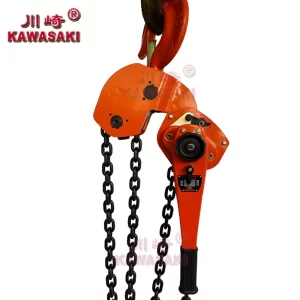
Environmental Considerations
Adjust procedures based on working environment:
- Temperature extremes– Account for thermal expansion/contraction in chain length
- Corrosive environments– Increase inspection frequency and use corrosion-resistant chains
- Hazardous locations– Use appropriately rated equipment for explosive or flammable atmospheres
- Outdoor operations– Consider weather conditions like wind, rain, or ice
- Confined spaces– Implement special procedures for hoisting in confined areas
Conclusion: Ensuring Long-Term Reliability
In summary, handling chain twists or knots requires preventive measures, careful intervention, and safety protocols. Proactive maintenance protects personnel and enhances hoist performance, supporting operational excellence.