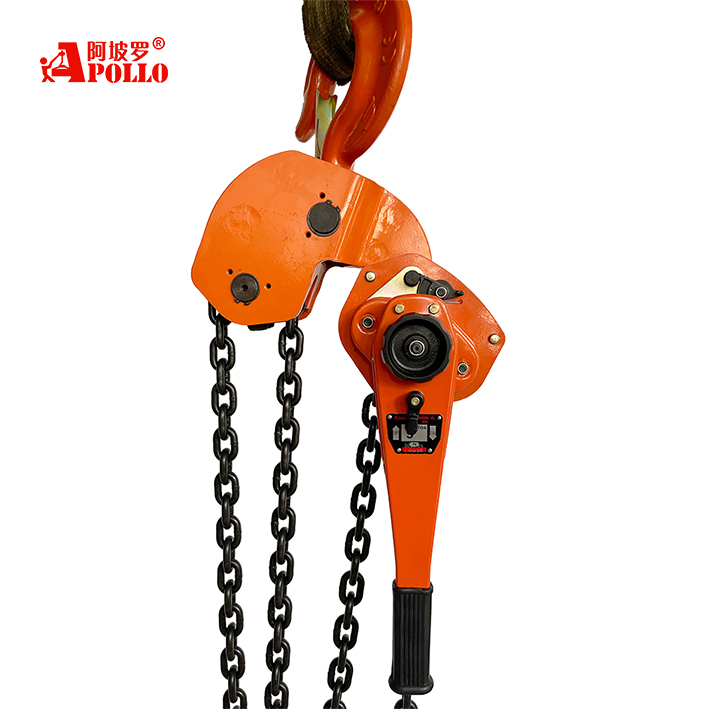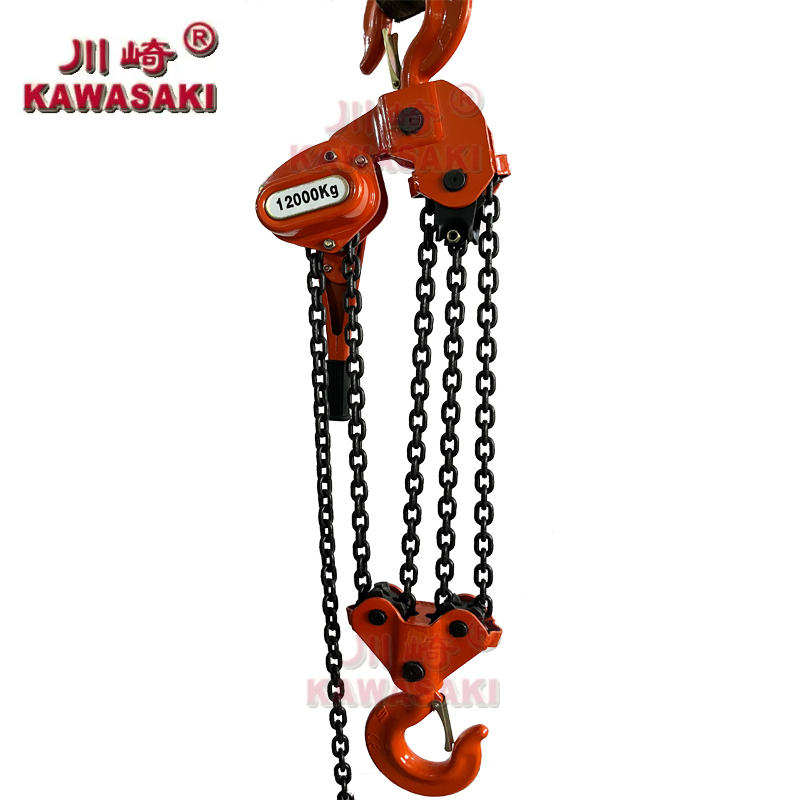
On factory floors, construction sites, or even remote maintenance bays, lifting and moving heavy loads is just a normal part of daily tasks in these tough industrial environments. Manual lifting tools, such as lever hoists, are still important when electricity isn’t around or in tight spots where you need precise control. Apollo’s lever hoists are perfect for these duties—simple, strong, and safe, which is exactly what industrial buyers want.
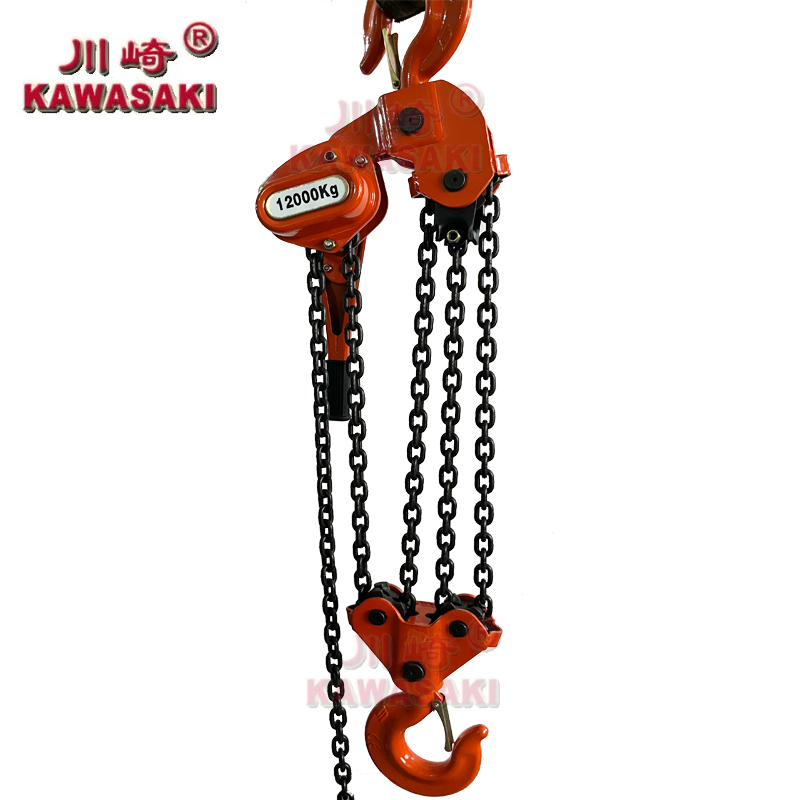
Choosing the right piece of lifting equipment goes beyond picking the lowest price. Accuracy in product selection, a reliable supply partner, and quality manufacturing standards are what make the difference between meeting project deadlines and encountering repeated downtime.
Why Industrial Buyers Need the Right Lever Hoist
Maintenance, Rigging, and Field Repair Needs
Industrial facilities rely on solid lifting tools so operations stay on track. A lever hoist serves as a preferred option for maintenance crews, rigging specialists, and field repair teams. Its compact size and mechanical advantage stand out. Manual lever hoists work without power, unlike electric models. This lets crews use them in tight plant areas or far-off construction spots.
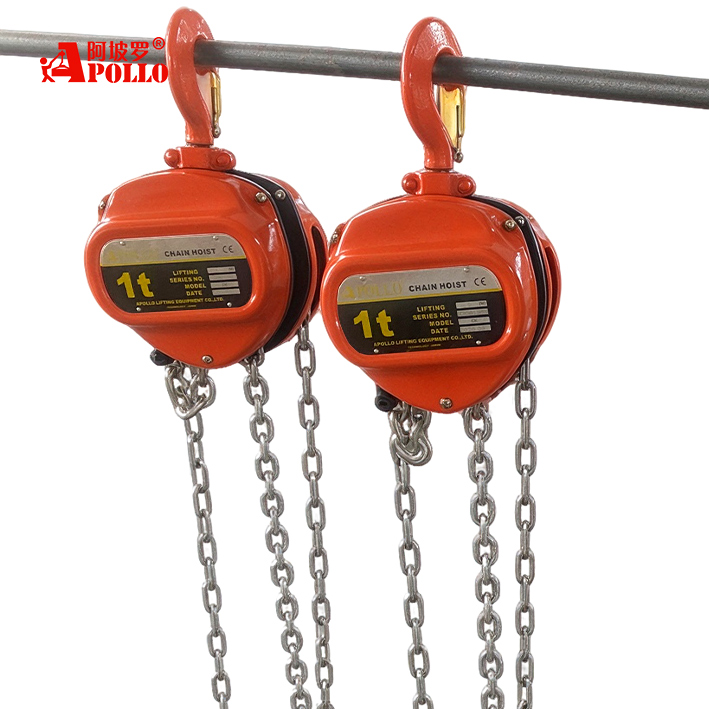
Workers often move heavy items like valves, motors, and steel beams. The right lever hoist lets them place these loads safely and cuts down on strain or lost time. Chain hoists see wide use in warehouses, factories, farms, and workshops. Lever hoists offer the same flexibility. They handle lifting, tensioning, and pulling jobs in many fields.
Why Product Fit Matters More Than Low Price
Procurement teams watch budgets closely. Picking a lever hoist only for its low cost can bring later problems. A wrong capacity rating or weak brake may cause delays and safety risks. Buyers need to check how each model matches their load needs and how often it will run.
In lifting work, the right product fit affects both daily output and safety rules. Paying a bit more for a certified unit often means longer use and fewer repairs later.
Apollo as a Lever Hoist Manufacturer for B2B Buyers
For global buyers, choosing a lever hoist manufacturer is also about factory background. A supplier needs stable production, proper testing, export experience, and enough product range to support repeat orders.
Kawasaki Authorization and Apollo Factory Strength
Apollo was established in Hangzhou in 2011, and it is the only Chinese enterprise authorized to produce Kawasaki brand hoisting machinery. Apollo has earned its place as a professional lever hoist manufacturer through steady partnerships and solid engineering.
Apollo keeps tight control from raw material work to final assembly. The approach gives OEM clients and distributors steady quality and reliable supply.
ISO9001, CE, GS, QC, and Pre-Shipment Testing
Each Apollo lever hoist follows strict ISO9001 rules. The units carry CE and GS marks that confirm they meet European safety rules. Before any shipment, every hoist gets checked for load performance, chain condition, and brake action under real-world test conditions.
These marks give B2B buyers confidence that Apollo products meet worldwide lifting standards. Markets that need full quality records especially value this.
Key Parameters for Selecting an Apollo Lever Hoist
A suitable Apollo lever hoist should be chosen by working conditions, not only by catalog pictures. The same rated load may behave differently depending on lifting height, chain length, job frequency, and site environment.
Rated Load, Lifting Height, and Chain Strength
Rated load is the first number most buyers check. It shows the safe lifting capacity of the lever hoist. But the actual job should leave enough safety margin. If a load is close to the limit all the time, a higher-capacity model may be more suitable.
Lifting height is another basic detail. A standard lifting height may be enough for warehouse repair. But steel structure installation or equipment positioning may need a longer chain. Buyers should confirm the vertical distance before sending an RFQ.
Chain strength also affects product life. In industrial lifting, chains face repeated force, friction, and rough handling. For buyers supplying maintenance teams or construction users, chain quality should not be treated as a small detail.
Brake System, Hook Safety, and Compact Body Design
A strong brake stops loads from slipping during lifts or lowers. Apollo uses mechanical load brakes that give steady control even at full load. Safety hooks with latches keep connections secure.
Compact size helps in tight maintenance spots where headroom is short. A lighter frame also makes it easier to carry between sites while the body stays rigid.
Working Environment, Duty Frequency, and Operator Comfort
Industries expose equipment to moisture, dust, or temperature swings. Coatings that resist corrosion are a big help in harsh areas like shipyards or steel mills. Handles designed for comfort reduce wear and tear from prolonged pulling. When used heavily, a model built for constant duty lasts much longer.
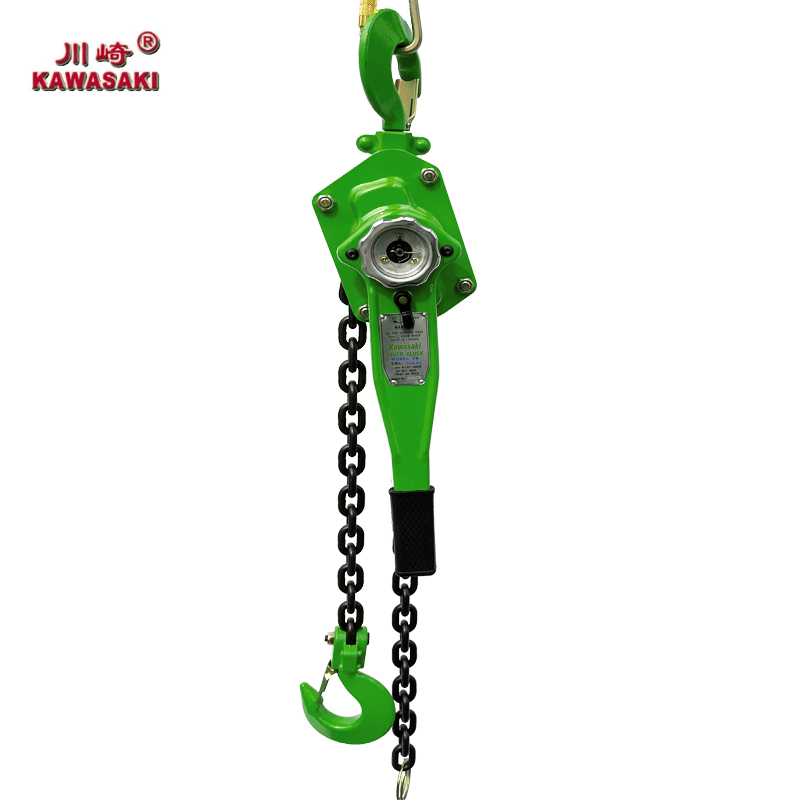
Where Apollo Lever Hoists Are Commonly Used
Apollo lever hoists are suitable for different industrial lifting and maintenance tasks. Their value is most obvious in places where flexible manual control is needed.
Industrial Maintenance and Warehouse Lifting
In factories, lever hoists are often used during machine repair and part replacement. For example, a maintenance team may need to hold a motor while bolts are removed. A warehouse team may need to adjust conveyor parts or lift small equipment for inspection.
For warehouse lifting, lever hoists are useful because they are portable and simple to store. A distributor can also stock several common capacities to meet different local customer needs.
Construction, Steel Structure, Port, and Equipment Repair
Construction and steel structure jobs often need pulling, aligning, and temporary lifting. A lever hoist can help position steel parts before final fixing. It is also useful when cranes are not available or when the job is too small for large equipment.
In ports and field repair work, manual tools are still common. Weather, limited power supply, and changing work locations make portable lifting equipment useful. Apollo lever hoists can serve these practical jobsite needs without complicated setup.
OEM and Bulk Order Support for Global Buyers
B2B buyers often need more than standard products. A distributor may need branded packaging. A wholesaler may need stable repeat orders. A contractor may care about delivery schedule and clear model matching.
Logo, Packaging, Color, and Market-Specific Custom Needs
OEM support helps buyers build a more complete product line for their local market. For Apollo lever hoists, customization may include logo, color, packaging, labels, and other market-specific details.
These details may look small from the factory side, but they matter in sales. A clean carton, clear product label, and consistent brand color can help distributors sell products more easily. It also makes warehouse management simpler.
Before production, buyers should confirm:
- Product model and rated load
- Lifting height
- Order quantity
- Logo and color requirements
- Carton and label details
- Destination market
- Delivery schedule
Clear information at the RFQ stage saves time later. It also reduces sample changes and repeated communication.
Distributor, Contractor, and Wholesale Procurement Support
Different buyers have different concerns. A distributor wants stable stock and repeatable quality. A contractor wants tools that match a project deadline. A wholesaler often looks at carton size, shipment planning, and fast-moving models.
Apollo can support B2B buyers with lever hoist supply, OEM customization, and bulk order communication. For long-term cooperation, this kind of factory support is often more useful than a one-time low quote.
Conclusion
Picking the right lever hoist is a nuanced decision. Industrial buyers must balance rated capacity, safety mechanisms, durability, and ergonomic design against delivery timelines and supplier capabilities.
Apollo’s lever hoists, backed by certified manufacturing, Kawasaki brand authority, and flexible OEM support, offer a practical solution for maintenance, rigging, and lifting demands across numerous industrial settings.
For buyers planning bulk orders, custom requirements, or long-term supply relationships, initiating a conversation with Apollo can clarify model fit, pricing, and tailored configurations.
FAQ
Q1: How should buyers choose the right lever hoist model?
A: Match the rated load capacity to actual job needs while also checking lifting height and site conditions such as humidity or temperature.
Q2: What makes Apollo a reliable lever hoist manufacturer?
A: Apollo has Kawasaki hoisting machinery authorization, ISO9001 and CE certification, factory QC, testing processes, and B2B supply experience.
Q3: Are Apollo lever hoists suitable for industrial lifting?
A: Yes. They work well in maintenance shops, rigging setups, warehouse lifts, construction sites, port work, and repair areas that need precise manual control.
Q4: Can Apollo support OEM lever hoist orders?
A: Yes. Customization covers logo placement, color choice, packaging style, and region-specific labels that fit distributor branding.
Q5: What should be included in a lever hoist RFQ?
A: Key details cover rated load in tons, lifting height in meters, order quantity, timeline, packaging needs, and any local certification requirements.