In material handling in industries, the selection of the appropriate lifting gear is more than just being efficient. It is about safety, productivity, and overall cost of operations. From among all the equipment employed in factories, warehouses, steel yards, fabrication centers, and constructions sites, one piece of equipment that is indispensable when dealing with bulky items such as plate, steel sheets, beams, and other materials is the lifting clamp.
Finding the right lifting clamp is not the issue for industrial purchasers, purchasing officers, and distributors of equipment. Finding the right type of clamp based on the type of load, the work environment, the mode of operation, and safety considerations is the true challenge. An incorrect choice may result in equipment damage, loss of productivity, or even serious health hazards. Choosing the correct clamp will facilitate smoother work, decreased physical exertion, and increased efficiency.
At Apollo, which is a factory-direct manufacturer targeting international B2B customers, we know that each lifting requirement is unique. With over two decades of manufacturing expertise, CE & ISO certification, stringent quality control processes, and OEM capability, Apollo produces industrial lifting equipment suitable for challenging international markets. This guide aims to provide information on selecting the best lifting clamp for industrial use and the considerations to put into account.
What Is a Apollo Lifting Clamp?
Lifting clamps are mechanical tools whose purpose is to firmly grab and lift cargo. They are often employed for the handling of plate steel, structural pieces, pipes, and many other bulky cargo items that cannot be handled using bare hands or typical lifting slings. Lifting clamps may be designed for vertical, horizontal, or some specific angle of operation.
In contrast to other lifting tools, a lifting clamp is constructed specifically to provide a secure connection between a load and lifting equipment. The clamp’s gripping mechanism helps distribute force safely and hold the material in place during lifting, transport, and positioning.
For industrial users, the benefits are clear:
- safer handling of heavy materials
- improved lifting precision
- reduced risk of slipping or shifting loads
- faster material movement
- better productivity in material flow operations
Why Choosing the Right Apollo Lifting Clamp Matters
Not all lifting applications are the same. A clamp that works well in one environment may be completely unsuitable in another. Choosing the wrong clamp can create several problems.
First, the load may not be gripped appropriately. Materials differ in terms of surface condition, thickness, and form. An equipment that is made for lifting smooth plates may not work efficiently on rough or coated surfaces.
Second, the direction of lifting is important. Some clamps are made for vertical lifting, while others are meant for horizontal handling. This can be an issue with safety and stability if the incorrect clamp is used.
Third, working load limit is critical. The clamp must be rated for the actual load and application. Overloading any lifting device could lead to equipment failure and dangers in the work environment.
Finally, quality standards and compliance are important factors in purchasing by foreign buyers. Industrial customers need their equipment to adhere to certain standards and be dependable in harsh conditions. That is the reason why many business-to-business customers prefer an experienced lifting equipment provider who has appropriate certification and guarantees high quality.
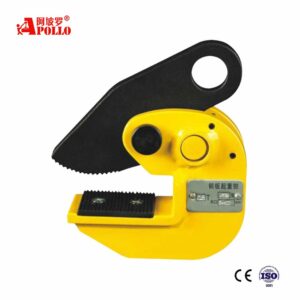
Step 1: Identify the Material Being Lifted
The first step that needs to be considered when choosing the correct lifting clamp is to have knowledge about the material that needs to be handled. Some factors need to be considered in relation to this, such as shape, size, thickness, weight, and surface condition. These details help determine which clamp is suitable for the job.
Plate steel and sheet metal
When lifting steel plates or metal sheets, a plate clamp or sheet clamp may be the appropriate choice. These Apollo clamps are commonly used in fabrication, shipbuilding, steel processing, and metalworking. They are designed to help handle flat materials safely and efficiently.
Structural steel components
For beams, bars, and fabricated structural sections, the clamp needs steady contact with the load. It must also offer firm holding strength. This helps keep the material secure during lifting and movement.
Pipes and cylindrical loads
Pipes and round materials often need specially designed clamps. Their shape can make them easier to roll or shift. Because of this, the clamp must help reduce slipping and keep the load controlled.
Coated or polished surfaces
If the surface is delicate, painted, coated, or finished, the clamp should limit marks and surface damage. At the same time, it still needs to maintain a reliable grip. This balance is important when handling materials with visible or sensitive finishes.
Understanding the load characteristics is necessary before making a purchasing decision. It matters even more for industrial buyers. They often need dependable performance across different production environments.
Step 2: Determine the Lifting Direction
One of the most important selection criteria is whether the lifting operation is vertical or horizontal.
Vertical lifting clamps
Vertical lifting clamps are used to lift material in an upright position. They are commonly used for steel plates and sheet handling where the load needs to be transferred from one place to another while remaining vertical.
Horizontal lifting clamps
Horizontal lifting clamps are used to move materials in a flat or horizontal orientation. They are often used when a load must be lifted, rotated, or positioned without changing its horizontal layout.
Universal or specialty applications
Some industrial environments require specialty clamp solutions that are designed for unique load angles, multiple points of contact, or controlled positioning.
Choosing the correct lifting direction is not optional. It is a basic requirement for safe operation and proper equipment performance.
Step 3: Check the Working Load Limit
Each of the Apollo lifting clamps carries a working load limit that is commonly known as the WLL. This is the highest load capacity for which the lifting device is designed to operate.
Industries buying lifting clamps should never consider the size and looks alone while making their choices. On the contrary, the lift weight, lifting angle, density of material, and conditions should all be considered carefully.
When selecting a clamp, consider the following:
- maximum load weight
- load balance and distribution
- lifting frequency
- dynamic forces during movement
- possible shock loading during operation
It is usually wise to select a clamp with a safety margin that matches your application requirements. A professional lifting equipment supplier can help determine the appropriate specification for your material handling needs.
Step 4: Consider the Surface Condition of the Load
The surface of the material has a direct impact on clamp performance. A smooth, oily, painted, or rough surface can change how securely the clamp grips the load.
For example, steel plates with clean edges may be easier to lift than coated materials with reduced friction. In some cases, special jaws or gripping surfaces are needed to improve holding performance.
Surface condition should be evaluated carefully in industries such as:
- steel fabrication
- shipbuilding
- metal processing
- machinery manufacturing
- warehouse logistics
A Apollo lifting clamp must provide sufficient grip without causing unnecessary surface damage. That balance is especially important when the load is valuable or has a finished surface.
Step 5: Review the Working Environment
The working environment can influence both clamp selection and clamp lifespan. A Apollo lifting clamp used in a dry indoor workshop may have different requirements from one used in a steel yard, port facility, or outdoor construction site.
Important environmental factors include:
- temperature
- humidity
- dust and debris
- exposure to corrosive materials
- frequency of use
- indoor or outdoor operation
In case of rough operating conditions, the buyer needs to select industrial lifting devices made from robust material, tough surface finishing, and solid locking mechanism. It is in such situations that an industrial manufacturer such as Apollo adds value through engineering and manufacturing.
Step 6: Evaluate Safety Features
Safety is one of the most important reasons to invest in a high-quality Apollo lifting clamp. Industrial buyers should look for design features that support stable and secure operation.
Key safety features may include:
- locking mechanisms
- anti-slip jaws
- reinforced structural parts
- clear load markings
- tested lifting performance
- durable contact surfaces
A well-designed clamp should hold the load firmly throughout the lifting process. It should also be easy for operators to use correctly, reducing the chance of human error.
For global B2B buyers, safety is not just a technical preference. It is a business requirement. Equipment failures can create expensive downtime, workplace incidents, and product damage. That is why buyers often prefer certified products from a trusted lifting equipment supplier with strong engineering control.
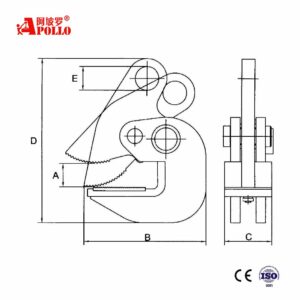
Step 7: Compare Material and Build Quality
The quality of a Apollo lifting clamp depends heavily on the materials used and the precision of manufacturing.
A durable clamp should offer:
- high-strength construction
- wear resistance
- consistent jaw performance
- stable locking components
- long service life
Poorly made products may work initially but fail under repeated industrial use. For buyers focused on long-term value, it is essential to compare build quality rather than only price.
Apollo has built its reputation on engineering quality, strict quality control, and manufacturing experience spanning more than two decades. For industrial buyers and distributors, this means better consistency, better reliability, and better confidence in every order.
Step 8: Decide Whether You Need Standard or OEM Customization
Industrial projects sometimes go beyond just using off-the-shelf products. The distributor, purchaser of the industrial project, or the partner OEM could need custom-designed lifting equipment that would fit the particular application or even the branding or technical standards.
In cases where your business might need custom-made products in terms of size, load capacity, surface finish, or packaging, OEM customization could come in handy. This is especially true for purchasers operating in a range of markets.
Apollo supports OEM customization for global B2B clients, making it easier to align product specifications with market needs. For procurement teams and distributors, this creates greater flexibility and stronger commercial value.
Step 9: Verify Certification and Compliance
Certification is one of the factors which indicate the authenticity of any industrial lifting equipment. Buyers must consider quality systems and certification to indicate manufacturing discipline and preparation for international markets.
Apollo has been able to get several quality certifications such as ISO9001, CE, and GS. This will give confidence to the buyers regarding the control of the manufacturing process and product quality.
In addition, companies buying products internationally may find certified equipment beneficial when it comes to gaining easy market entry and reducing procurement risks. In case you are purchasing from an international lifting equipment manufacturer, certification should be considered right from the beginning.
Step 10: Choose a Supplier with Proven B2B Experience
Selecting the right clamp is only part of the job. Choosing the right supplier is equally important.
A reliable supplier should offer:
- factory-direct supply
- stable product quality
- technical support
- export experience
- customization capability
- responsive communication
For industrial procurement managers and distributors, these factors can make a major difference in lead times, service quality, and after-sales support.
Apollo serves global B2B markets with direct factory supply and exports to more than 50 countries. This international experience is valuable for buyers who need consistent delivery, clear technical communication, and dependable commercial support.
Common Applications of Lifting Clamps
Lifting clamps are used in many industrial sectors. Some of the most common applications include:
- steel mills
- metal fabrication workshops
- warehouses and logistics centers
- shipbuilding yards
- machinery manufacturing plants
- construction sites
- industrial maintenance operationsa
In each of these environments, the goal is the same: safe and efficient movement of heavy materials with minimal labor and maximum control.
How a Apollo Lifting Clamp Improves Operational Efficiency
A properly selected Apollo lifting clamp does more than lift a load. It improves the entire workflow.
Through faster transportation of materials, elimination of manual handling, and improved positioning, the use of the clamp increases efficiency in teams. It decreases bottlenecks in production, quickens loading and unloading activities, and promotes safety on the entire site.
For industrial buyers, these efficiency gains can translate into lower operating costs and better productivity. For distributors, they create a stronger value proposition when presenting solutions to end users.
Why Apollo Is a Reliable Partner for Industrial Buyers
Industrial buyers need more than a product catalog. They need a manufacturer that understands engineering, quality, and export requirements.
Apollo offers:
- more than 20 years of manufacturing experience
- CE and ISO certified production systems
- strict quality control
- OEM customization support
- factory-direct supply
- export experience in more than 50 countries
These strengths make Apollo a dependable partner for companies seeking industrial lifting equipment for global markets. Whether you are a procurement manager looking for a stable supplier or a distributor seeking long-term cooperation, Apollo can support your business with professional-grade lifting solutions.
Conclusion
Selecting an appropriate Apollo lifting clamp involves assessing the load to be lifted, the direction of lift, the environment in which the work will be done, and safety considerations, among other factors. A proper choice of lifting clamps should neither be determined by strength nor price alone but should take into account the true application of the product.
In today’s global marketplace, the supplier of a product should always be considered as an equal important factor. An experienced and reliable lifting equipment supplier, with ISO 9001-certified manufacturing facility, OEM ability and export experience can help mitigate procurement risks.
If you are looking for industrial lifting equipment designed for demanding B2B applications, Apollo is ready to support your project needs with factory-direct supply and professional service.
Contact Apollo
If you would like to request a quote, send an inquiry, or speak with the Apollo sales team, please contact us through the channels below:
- Inquiry Link:https://www.apollohoist.com/contact-us/
- Email:sales@apollohoist.com
- Phone:+86 18989488615
- WhatsApp:+86 18989488615
Apollo is committed to delivering reliable lifting solutions for industrial buyers worldwide.