Introduction
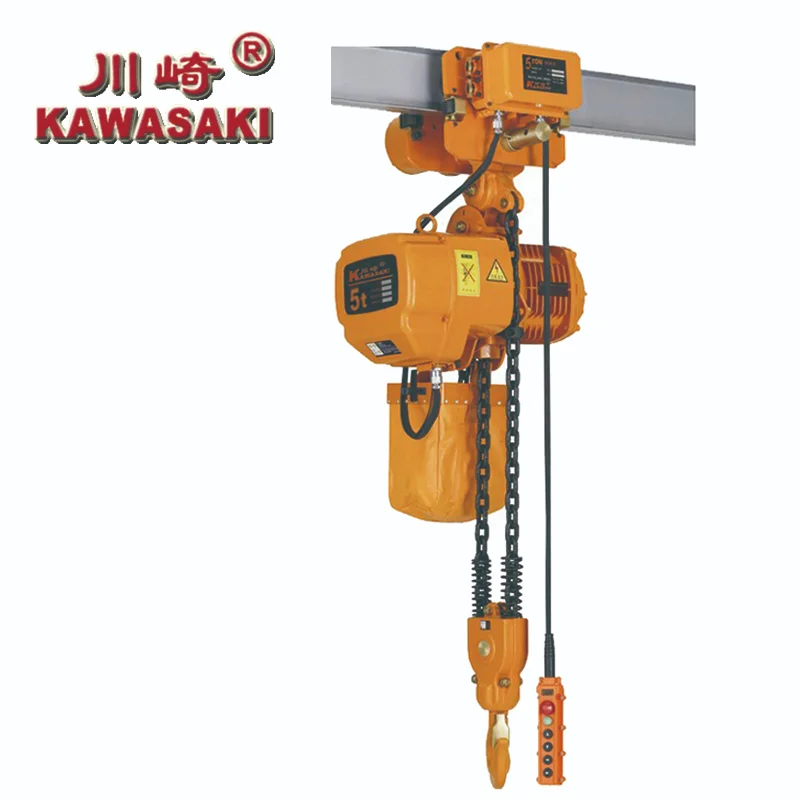
Electric hoist safety draws fresh attention in 2026. Automation and material handling demands grow across factories, warehouses, steel workshops, construction sites, and maintenance teams. Production volumes rise. Equipment runs longer hours. This increases the risk of overload, uncontrolled lifting, or brake failure. Modern procurement teams now look beyond lifting capacity and price. They check whether an electric hoist includes advanced safety mechanisms. These mechanisms reduce operational hazards.
Apollo, a trusted supplier of industrial lifting solutions, provides electric hoists designed for these evolving environments. It helps industrial users balance efficiency with dependable hoist safety.
Why Electric Hoist Safety Matters More in 2026
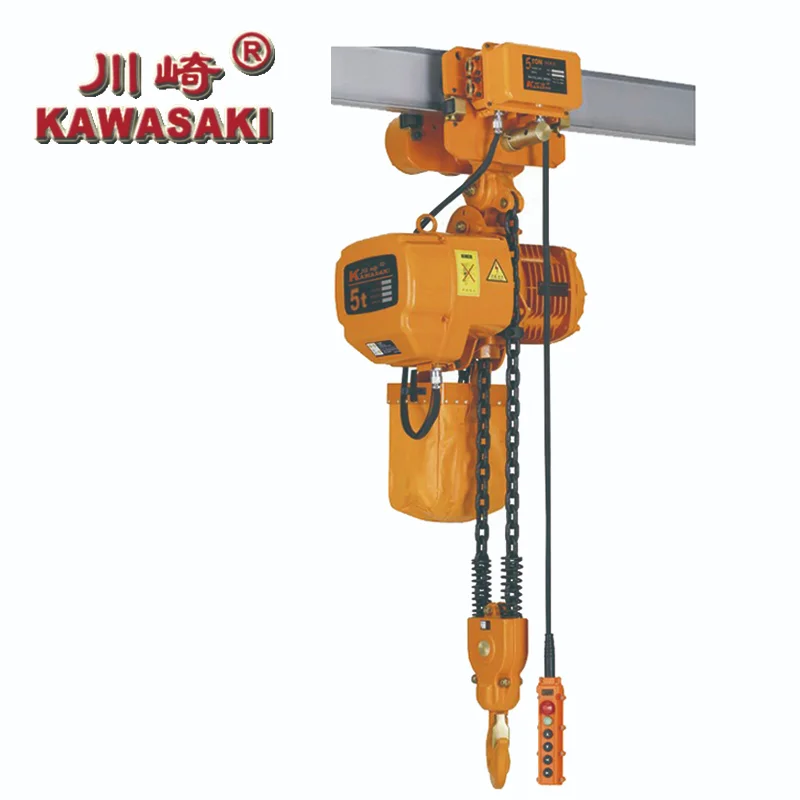
Industrial lifting work is becoming faster and more repetitive. A warehouse may lift pallets, spare parts, and tooling every shift. A workshop may move motors, molds, steel frames, or heavy machine parts several times a day. In these situations, one weak safety feature can turn a routine job into downtime, repair cost, or a serious site risk.
Hoist safety also affects procurement decisions. Many buyers now compare more than price, lifting speed, and rated capacity. They look at braking systems, overload protection, limit switches, control design, hook quality, motor protection, and spare parts support. This is especially true for distributors, rental companies, and contractors that cannot afford frequent complaints from end users.
From Occasional Lifting to Daily Production Support
An electric hoist used once a week has different pressure from one used all day in a production area. In daily work, small details matter. A brake that reacts slightly late, a pendant button that feels unclear, or a chain that wears faster than expected may not look serious at first. After months of use, these details become real operating costs.
For 2026 procurement, electric hoist selection should match the working frequency, load type, lifting height, and site conditions. A chain hoist for compact workshop lifting may need different safety features from a wire rope hoist used for longer lifting height or heavier-duty handling.
Overload Protection for Safer Load Control
Why Overload Protection Is Essential
Overload protection prevents the electric hoist from exceeding its rated capacity. This is a key factor in avoiding motor strain and structural stress. Without this mechanism, operators risk damaging chains or wire ropes. They also create unsafe suspended loads. These loads could compromise both personnel and equipment. Industry standards describe overload protection as a critical safety component. It uses slip clutches, electro-mechanical sensors, or electronic control systems to monitor load weight dynamically.
What B2B Buyers Should Check
Before placing an order, procurement teams should confirm:
- Rated lifting capacity
- Type of overload protection (mechanical or electronic)
- Duty cycle and working frequency
- Chain or wire rope specification
- Application environment (indoor/outdoor)
- Maintenance accessibility
These details help the selected electric hoist perform safely within its intended duty class.
Upper and Lower Limit Switches
Preventing Over-Travel During Lifting
Limit switches act as sentinels that prevent over-travel during lifting operations. The upper limit switch stops the hook from striking the hoist body. This is a common cause of mechanical shock. The lower limit switch prevents excessive chain unwinding. This could lead to tangling or unsafe slack conditions. Regulatory guidance such as OSHA notes that upper limit switches should never be used as normal operating controls. They serve as safety backups instead.
How Limit Switches Support Daily Operation
For frequent-use environments like assembly lines or logistics centers, reliable limit switches reduce downtime by preventing accidental overrun incidents. When selecting an Apollo electric chain hoist model, buyers should look for clearly defined product specifications. These specifications detail switch durability and easy inspection access points. These features simplify maintenance routines without interrupting daily workflow.
Reliable Braking Systems for Suspended Loads
The Role of Electromagnetic or Mechanical Brakes
The braking system is one of the most vital components of any electric hoist. It holds suspended loads securely when movement stops. Modern designs often feature electromagnetic brakes with automatic engagement when power is cut off. Some models include self-adjusting mechanisms. These mechanisms maintain consistent torque over time. This is a crucial advantage when handling heavy machinery parts or steel beams in dynamic industrial settings.
Why Brake Stability Matters for Industrial Buyers
Stable braking performance is essential for tasks such as precision machinery installation or warehouse stacking. Even slight slippage can cause misalignment or damage. Regular inspection schedules help verify brake wear levels and response times. Matching brake type to actual working conditions helps professional-grade hoist safety management. This applies whether the work is indoor assembly or outdoor construction.
Emergency Stop and Low-Voltage Control
Fast Response During Abnormal Operation
Emergency stop buttons allow operators to halt motion instantly during abnormal events. These events include swinging loads or nearby personnel intrusion. Many site safety checklists require testing pendant emergency stop functions before each shift begins. This confirms responsiveness under real conditions.
Safer Operator Interaction
Pendant design affects operator confidence more than most realize. Low-voltage control circuits minimize electrical hazards. Clear button markings reduce confusion during urgent moments. For facilities running multiple shifts with different operators, ergonomic pendant length and tactile feedback can make all the difference between smooth handling and near misses.
Strong Hooks, Chains, and Load-Bearing Parts
Hooks, chains, wire ropes, and load-bearing parts carry the actual lifting stress. Their quality has a direct impact on hoist safety. Even a powerful motor cannot make up for weak mechanical parts.
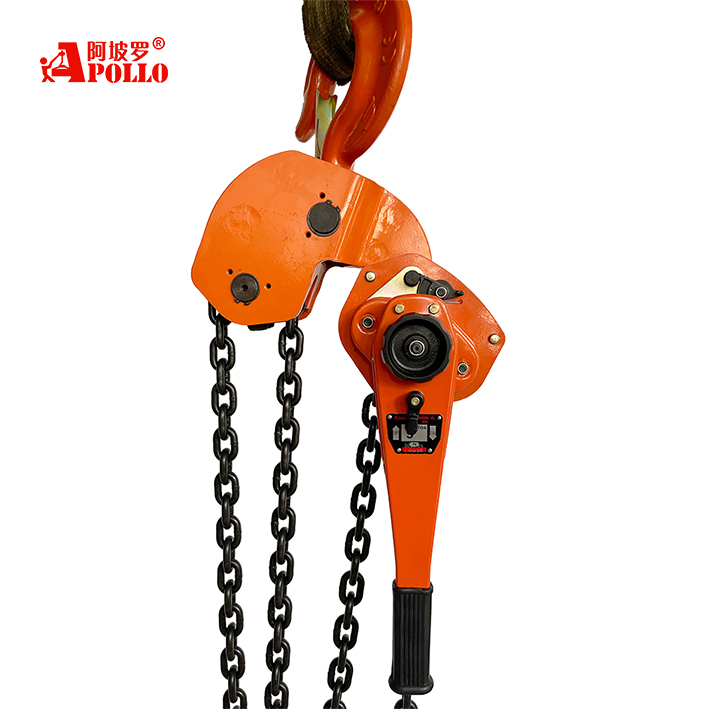
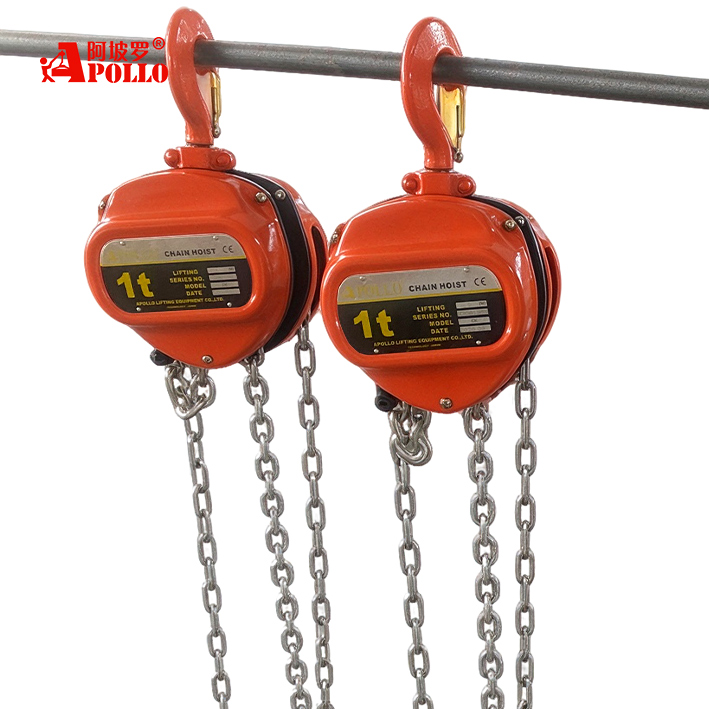
For an electric chain hoist, chain quality is especially important. The chain must resist wear, fit the hoist mechanism properly, and handle repeated load cycles. Hooks should include secure latch design, proper rotation, and clear inspection points.
Inspection-Friendly Design
Inspection-friendly design helps maintenance teams find wear earlier. A modern electric hoist should allow practical checks on the hook, chain, brake, limit switch, control cable, and electrical parts.
| Safety Part | Main Purpose | Common Check Point |
| Overload protection | Reduces over-capacity lifting risk | Rated load match |
| Limit switch | Controls excessive hook travel | Upper and lower stop function |
| Brake system | Holds suspended loads | Stopping response and wear |
| Hook and chain | Carries lifting load | Cracks, deformation, wear |
| Pendant control | Supports operator control | Button response and emergency stop |
This type of checking may look basic, but it often prevents the most expensive problems.
Environmental Protection and Motor Safety
Dust, Moisture, Heat, and Outdoor Conditions
Industrial settings rarely offer perfect conditions. Dust accumulation or moisture exposure can degrade insulation and bearings over time. Electric hoists are usually designed to be waterproof, dustproof, and explosion-proof. They can adapt to harsh working environments such as high temperature, low temperature, dust, acid and alkali. When selecting equipment for semi-open structures or outdoor installations, enclosure protection ratings (IP codes) should align with site realities. This prevents premature motor failure.
Thermal Protection and Duty Selection
An underrated factor in motor longevity is duty classification. It represents the ratio between active operation time and rest period within each hour. Choosing an underspecified duty class leads to overheating risks that shorten service life. Industry buying guides emphasize matching duty cycle with expected workload frequency. This matching occurs alongside lift height and environmental factors when specifying an electric chain hoist system.
How Apollo Supports Safer Electric Hoist Selection
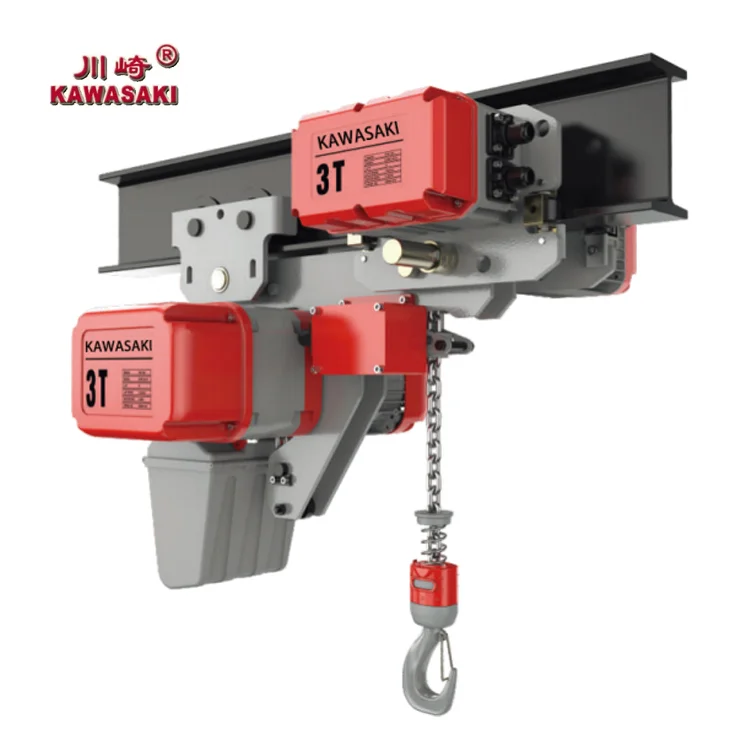
Apollo offers lifting equipment for industrial handling needs, including electric hoist solutions designed for different lifting scenarios. For factories, warehouses, contractors, and equipment distributors, the right product choice depends on much more than rated capacity.
An appropriate Apollo electric hoist needs to meet the demands of load nature, usage frequency, operating environment, operator preferences, and maintenance procedures. For instance, an compact electric chain hoist could be preferred for workstation lifting as opposed to other lifts depending on the task.
Professional assistance in the selection process enables consumers to evaluate various factors such as lifting capacity, lifting height, method of control, availability of trolleys, and safety aspects prior to purchasing the equipment. This reduces mismatch and gives procurement teams a clearer basis for decision-making.
Conclusion
Modern electric hoists in 2026 should be selected with safety, reliability, and daily usability in mind. The features that will contribute to the safety of the work performed include the presence of overload protection, limiters, a safe braking mechanism, an emergency stop button, strong load-carrying components, and protection of the electric motors. For factories, warehouses, distributors, and project buyers, the right electric hoist can reduce risk and support smoother material handling. For professional product selection and lifting equipment support, project teams can contact Apollo for suitable electric hoist recommendations.
FAQs
Q1: What is the most important safety feature of an electric hoist?
Overload protection remains one of the most critical features. It prevents operation beyond rated capacity. This protects both equipment components and workers nearby.
Q2: Why do electric hoists need limit switches?
Limit switches safeguard against over-travel. They stop hook movement at preset points to avoid collision damage between hook blocks or drum assemblies.
Q3: Is an electric chain hoist suitable for warehouse lifting?
Yes. When chosen according to correct duty cycle and environment rating, an electric chain hoist offers reliable performance for repetitive warehouse loading tasks. These tasks require controlled vertical lifts.
Q4: How often should electric hoist safety parts be inspected?
Inspection intervals vary by usage intensity. They generally include daily visual checks plus scheduled monthly mechanical inspections for frequent-use installations.
Q5: What should B2B buyers ask before choosing an Apollo electric hoist?
Buyers should verify rated capacity specifications, intended lift height range, installation method (fixed or trolley), integrated safety features like brakes & limit switches, along with available maintenance support programs offered by Apollo’s technical team.