Introduction
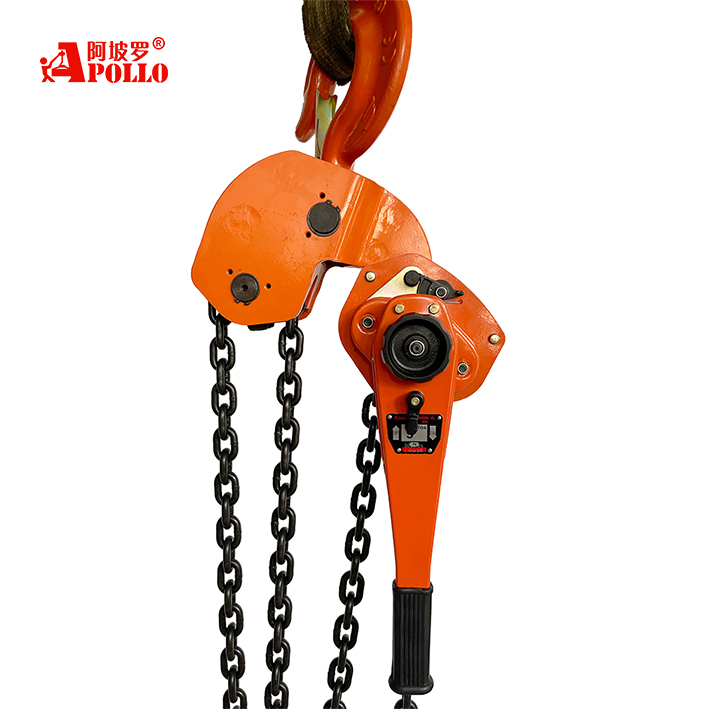
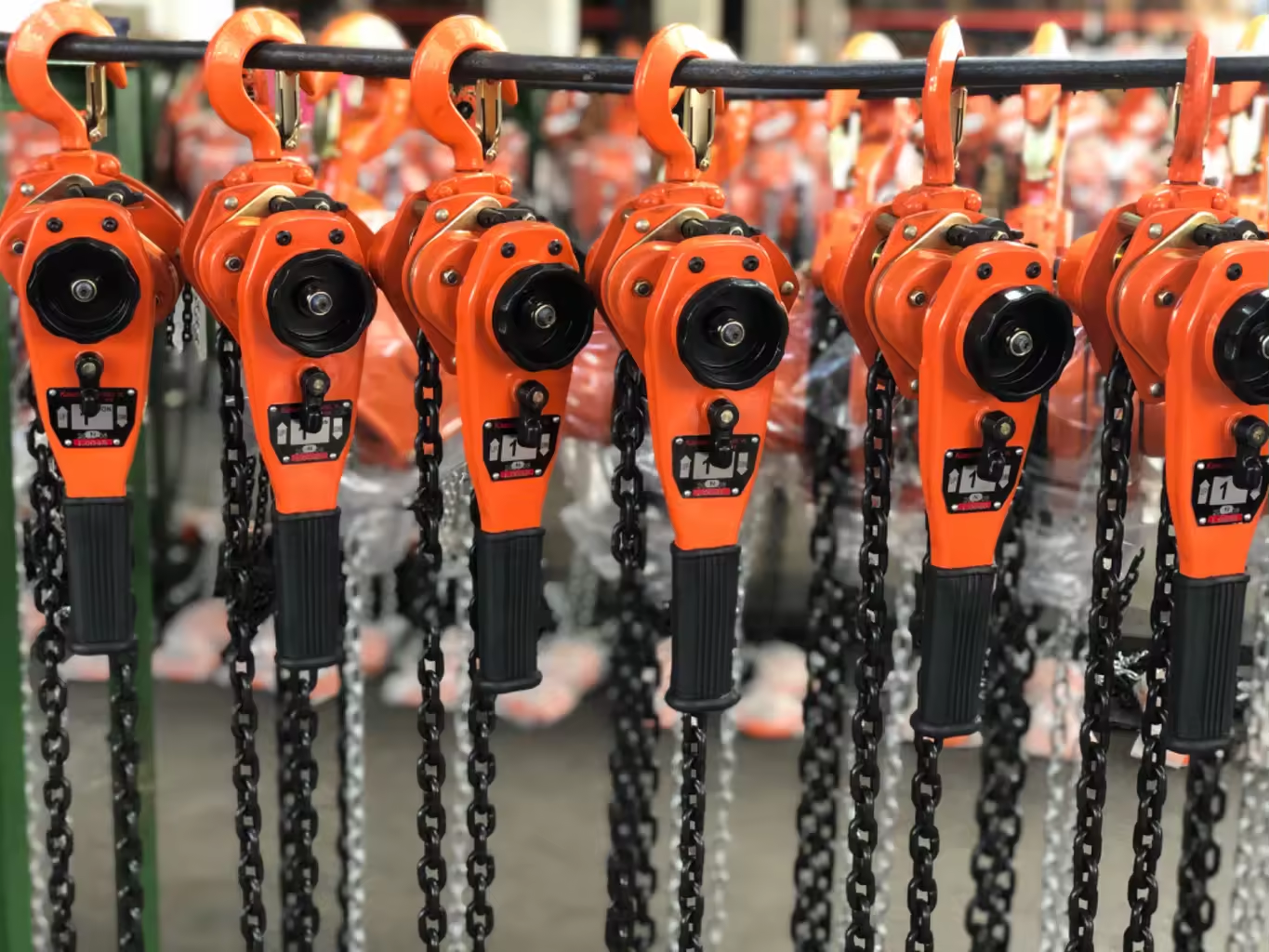
Choosing the right rated load of a lever hoist is an important aspect when considering safety and the efficient functioning of the system. However, most people tend to concentrate solely on the load’s weight and choose a 3-ton lever hoist for a 3-ton load. However, there are several aspects such as the pulling angle, dynamic loading, positioning requirements for equipment, and safety factors that can have an influence on the real load applied to the crane.
If the wrong capacity is selected for distributors, contractors, maintenance teams, and rental companies, there may be delays in construction projects, increased maintenance costs, early deterioration of machines, and even safety hazards at work sites.
This article provides guidelines for selecting an appropriate lever hoist based on its capacity and usage requirements, safety guidelines, and considerations when purchasing such equipment from the original equipment manufacturer (OEM).
Why Correct Capacity Selection Matters
The rated load, also known as the Working Load Limit (WLL), represents the maximum load a lever hoist is designed to handle safely under normal operating conditions.
Selecting a capacity that is too small may result in:
- Overloading and accelerated wear
- Increased risk of mechanical failure
- Reduced service life
- Non-compliance with lifting regulations
- Higher maintenance costs
Selecting a capacity that is excessively large may lead to:
- Higher procurement costs
- Increased equipment weight
- Reduced portability
- Lower operational efficiency
For large-scale industrial projects, proper capacity selection helps optimize both safety and total cost of ownership.
Understanding Typical Lever Hoist Safety Factors
Most good quality lever hoists are designed to meet international standards with substantial safety margins built into their design.
According to the particular standard and the manufacturer, the minimum breaking strength of major parts is usually at least four times the working load limit.
Typical examples include:
| Rated Capacity | Approximate Minimum Breaking Strength |
| 1 Ton | 4 Tons |
| 3 Ton | 12 Tons |
| 6 Ton | 24 Tons |
However, buyers should never select equipment based solely on breaking strength.
For practical applications, the following operational safety margins are commonly used:
| Application Type | Recommended Selection Margin |
| Vertical lifting | 1.25–1.5 × load weight |
| Frequent industrial use | 1.5 × load weight |
| Horizontal tensioning | 1.5–2 × pulling force |
| Equipment positioning | 1.5–2 × expected force |
| Uncertain operating conditions | 2 × calculated load |
Capacity Selection for Vertical Lifting Applications
Vertical lifting is the most common use of a lever hoist in construction, manufacturing, shipbuilding, mining, and maintenance operations.
Step 1: Determine the Actual Load Weight
Obtain accurate weight information from:
- Equipment nameplates
- Engineering drawings
- Manufacturer specifications
- Verified load calculations
Avoid relying on visual estimates.
Step 2: Include Rigging Weight
The total suspended load includes:
- Slings
- Shackles
- Lifting clamps
- Connecting hardware
- Temporary fixtures
Step 3: Apply a Safety Margin
Example:
- Equipment weight: 1,800 kg
- Rigging weight: 150 kg
- Total load: 1,950 kg
Applying a 1.5 safety margin:
1,950 × 1.5 = 2,925 kg
Recommended lever hoist capacity:
3-ton model
Capacity Selection for Horizontal Tensioning Applications
Lever hoists are widely used for:
- Steel structure installation
- Cable tensioning
- Pipeline assembly
- Tower erection
- Utility construction
In these applications, the required force depends on resistance rather than the object’s total weight.
Factors affecting pulling force include:
- Surface friction
- Slope
- Load distribution
- Environmental conditions
A 5-ton machine moved on rollers may require less than 10% of its weight as pulling force.
For horizontal pulling applications, buyers should calculate the maximum expected pulling force and then apply an additional safety margin of 1.5 to 2 times.
Capacity Selection for Equipment Positioning and Alignment
Precision positioning is common during:
- Pump installation
- Motor alignment
- Structural steel assembly
- Machinery maintenance
- Process equipment installation
In these applications, lever hoists are often used to:
- Pull equipment into position
- Hold loads temporarily
- Adjust alignment incrementally
Unexpected binding and side loading can create forces much higher than anticipated.
For this reason, maintenance professionals frequently select a capacity one size larger than the calculated requirement.
The additional capacity provides smoother operation and greater control during precision work.
How Pulling Angles Affect Required Capacity
One of the most common causes of hoist overloading is incorrect angle calculation.
When force is applied at an angle, the actual tension increases significantly.
| Pulling Angle | Force Multiplier |
| 90° | 1.00 |
| 60° | 1.15 |
| 45° | 1.41 |
| 30° | 2.00 |
For instance, a weight creating a ton of force on a 30-degree incline may produce about 2 tons of force in the rigging system.
When considering capacity considerations, proper sizing for both the hoist and rigging elements is essential.
What International Buyers Should Look for When Sourcing Lever Hoists
Technical specifications are just one aspect of the decision process.
In acquiring lever hoists for distribution or industrial applications, buyer considerations should include the competence of the suppliers.
Manufacturing Quality Control
Reliable manufacturers typically provide:
- Incoming material inspection
- Load testing before shipment
- Traceable production records
- Serial number tracking
- Final product inspection
Quality control helps in avoiding costly warranties and product breakdowns.
International Certifications
Many overseas buyers require compliance with recognized standards.
Common certifications include:
- CE
- GS
- ISO 9001
- UKCA
- ASME-related requirements for certain markets
Before placing bulk orders, buyers should verify available certifications and testing documentation.
OEM and Private Label Services
For distributors and brand owners, OEM capabilities are often a key consideration.
Typical customization options include:
- Customized load capacity labels
- Private logo branding
- Custom packaging
- Color customization
- Instruction manual localization
- Barcode and SKU labeling
Strong OEM support helps distributors build their own market identity while maintaining product consistency.
Production Capacity and Lead Time
Large projects frequently require strict delivery schedules.
Before selecting a supplier, buyers should evaluate:
- Monthly production capacity
- Standard lead times
- Peak-season delivery performance
- Inventory availability
- Emergency production capability
Manufacturers with stable production planning are better positioned to support long-term supply agreements.
Spare Parts and After-Sales Support
After-sales service can significantly impact lifecycle costs.
Important considerations include:
- Spare parts availability
- Warranty coverage
- Technical support response time
- Product documentation
- Replacement component supply
Reliable after-sales support is particularly important for distributors and rental fleet operators.
Recommended Capacity Selection Guide
The following table provides a general reference for common industrial applications.
| Actual Load or Required Force | Suggested Lever Hoist Capacity |
| Up to 0.5 Ton | 0.75 Ton |
| 0.5–1 Ton | 1.5 Ton |
| 1–2 Tons | 3 Ton |
| 2–4 Tons | 6 Ton |
| 4–6 Tons | 9 Ton |
Actual selection should always consider application-specific conditions, operating environment, and local safety requirements.
Need Help Selecting the Right Lever Hoist Capacity?
Selecting an appropriate lever hoist is not simply about comparing the load weight with the hoist capacity rating. Other considerations like the angle at which loads are lifted, horizontal tension, duty cycle, and environmental conditions may influence the choice of the appropriate capacity rating.
If you are looking for lever hoists to meet the requirements of your industry applications, distribution system, equipment rentals, or OEM branding program, our team of engineers can advise you on which product would best suit your needs.
We offer:
- Lever hoists from 0.75 ton to 9 ton and above
- OEM and private label manufacturing
- Custom packaging and branding services
- CE and ISO-compliant production
- Bulk order support for distributors and wholesalers
- Technical documentation and load testing reports
- Fast production and global shipping options
- Spare parts and after-sales support
Whether you are in need of a standard unit or a tailored solution, we will be able to offer professional advice, competitive pricing, and solid supply capabilities.
Please get in touch today and talk about your needs, ask for our specifications, and receive a customized quotation for your next purchase.
Website: Apollo Hoist Official Website
Inquiry Page: Contact Apollo Hoist Today
Email: sales@apollohoist.com
WhatsApp / Phone: +86 18989488615
Conclusion
Choosing the correct rated load for a lever hoist goes beyond simply matching hoist capacity to load weight. Vertical lifting, horizontal tensioning, equipment positioning, pulling angles, and dynamic forces each affect the actual load placed on the equipment.
Most industrial applications call for a safety margin. The margin usually ranges from 1.25 to 2 times the calculated load. The right value depends on the working conditions at the site.
International buyers should review technical performance. They should also assess supplier strengths. These strengths include manufacturing quality control, OEM customization options, certification compliance, production capacity, lead-time reliability, and after-sales support.
Pairing proper capacity selection with a reliable manufacturing partner helps buyers. It improves workplace safety. It lowers operational risk. It also delivers stronger long-term value from the lifting equipment investment.