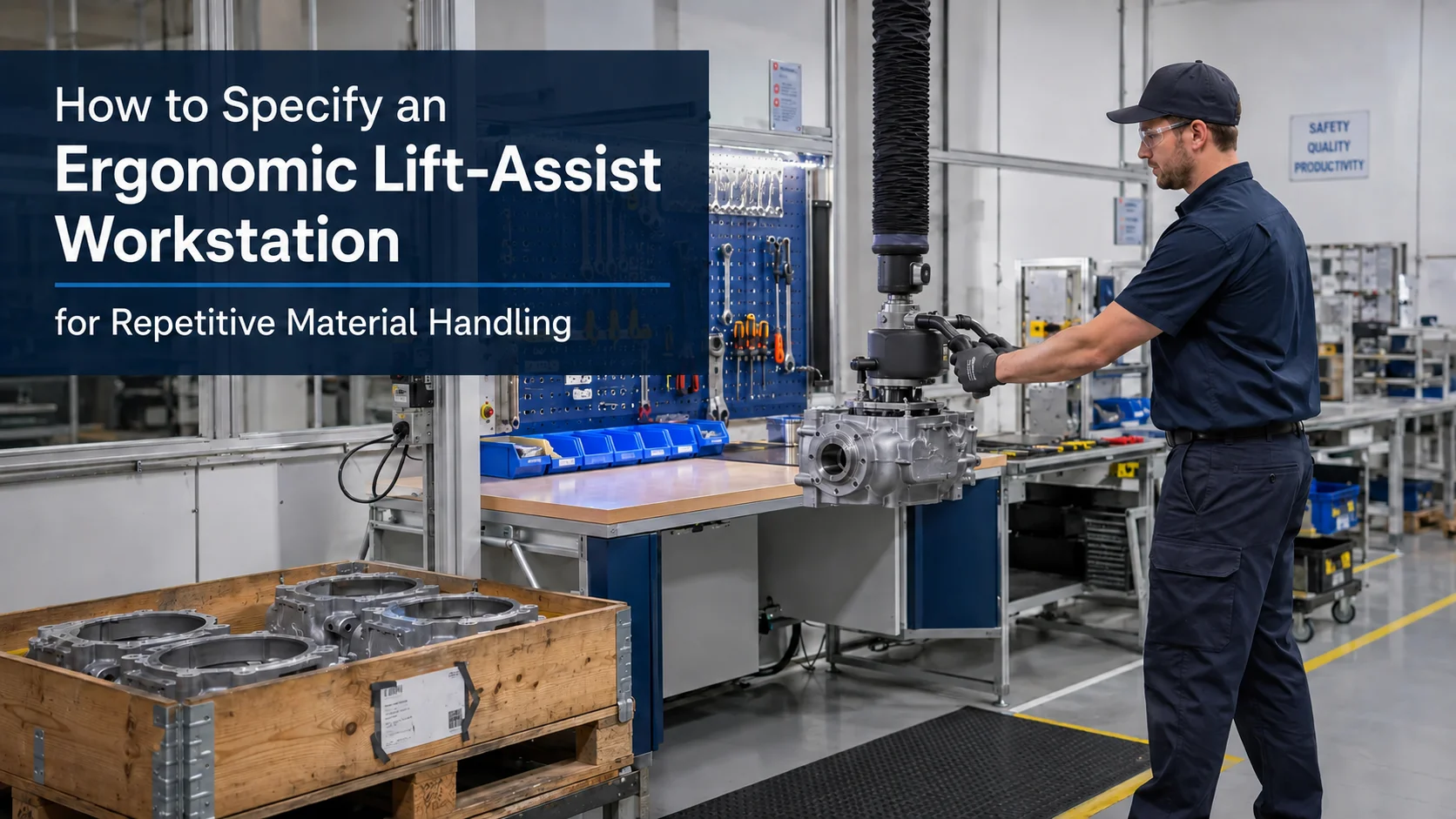
An ergonomic lift assist should be specified around the handling task, not selected from lifting capacity alone. For repetitive material handling, the right system depends on part weight and geometry, lifting frequency, pickup and placement heights, horizontal reach, required rotation, operator interaction, available utilities, and the surrounding workstation. A well-defined ergonomic lift assist specification helps buyers determine whether the application needs a balancer, manipulator, electric lifting device, lift table, or a simpler workstation change—and reduces the risk of buying equipment that can lift the load but cannot support the actual production cycle.
When Does a Repetitive Material Handling Task Need Lift Assist?
Repetitive lifting problems rarely come from weight alone. A moderate load can still create an unfavorable task when it is handled frequently, picked up far from the body, moved from floor level, placed above comfortable working height, or repeatedly rotated during positioning. NIOSH ergonomic assessment methods similarly consider multiple task variables rather than treating load weight as the only factor.
Identify the Real Risk Drivers: Weight, Frequency, Reach, Height, and Rotation
Start by documenting the existing manual cycle from pickup to placement. Record the minimum and maximum part weight, lifts per hour, pickup and drop-off heights, horizontal travel, required reach, carrying distance, and any rotation or tilting.
Pay particular attention to combinations of factors. A light component handled every few minutes at waist height is a different application from the same component picked hundreds of times while the operator bends, reaches into a container, rotates the part, and holds it during assembly.
The purpose of this assessment is not simply to decide whether a load is “heavy.” It is to identify which part of the motion creates the need for assistance. That determines what the workstation must actually do.
Decide Whether You Need Lift Assist or a Workstation Change
Not every manual handling problem requires powered lifting equipment. If excessive bending is caused mainly by a pallet positioned too low, a lift table or pallet positioner may address the problem more directly. If long reaches come from poor bin placement, relocating material may be more useful than adding a complex manipulator.
A lift assist becomes more relevant when the operator still needs to control the part but requires help lifting, moving, holding, rotating, or positioning it.
Before requesting quotations, classify the task:
- Is the main problem vertical lifting?
- Must the load travel horizontally?
- Does the operator need to rotate or tilt the part?
- Does it need to be held while another operation is performed?
- Is accurate positioning important?
- Would changing the workstation eliminate part of the motion?
This prevents equipment from being specified to compensate for a layout problem that could have been removed earlier.
What Task Data Should You Define Before Selecting a Lift Assist?
A useful lift assist specification describes the entire application rather than a single maximum load. Suppliers need enough information to understand both the part and the way it moves through the workstation.
Define the Load Envelope, Not Just Maximum Weight
“50 kg maximum load” is not a complete lifting specification. A box, casting, sheet, motor, roll, and irregular fabricated component of the same weight can require very different gripping and positioning methods.
For every part family, define minimum and maximum weight, dimensions, shape, center-of-gravity considerations, surface condition, available gripping points, and pickup orientation. Buyers should also identify whether surfaces are porous, oily, fragile, hot, curved, or otherwise unsuitable for certain gripping methods.
For multi-SKU workstations, define the complete load envelope rather than designing only around the heaviest component. Drawings, photos, CAD files, and representative samples can give a supplier far more useful information than a capacity number alone.
Map Reach, Travel, Clearance, and Production Rate
Next, map the actual path between pickup and release. Specify vertical travel, horizontal reach, pickup and drop-off locations, rotation requirements, overhead clearance, nearby structures, fixtures, conveyors, and operator standing positions.
Cycle rate also matters. A device used intermittently for heavy parts has different operating requirements from a workstation lifting lighter parts continuously throughout a shift. Buyers should provide both normal production rate and expected peak cycle conditions.
A simple workstation layout showing the motion path can expose problems that are easy to miss in a written RFQ, such as a rail that cannot reach a fixture or an end effector that collides with surrounding equipment.
Which Lift Assist Technology Fits the Workstation?
Technology selection should follow the required movement. More travel, articulation, or automation is not automatically better; unnecessary complexity can increase cost, installation requirements, and operator effort.
| Handling Requirement | Equipment Direction to Evaluate |
|---|---|
| Mainly controlled vertical lifting | Electric hoist, balancer, or assisted lifting device |
| Frequent operator-guided positioning | Balancer or positioning lift assist |
| Reach combined with rotation or orientation | Manipulator-type system |
| Raising an entire load or pallet to working height | Lift table or positioner |
| Covering multiple points across a workstation | Workstation crane with a suitable lifting device |
Choose the Motion System Based on the Required Movement
For repetitive processes requiring smooth, operator-controlled lifting and positioning, a pneumatic balance crane can be evaluated as one equipment direction. Apollo Hoist’s KAWASAKI HQ5 product page describes functions including stepless speed control and precise lifting and positioning, together with protection features associated with its pneumatic configuration.
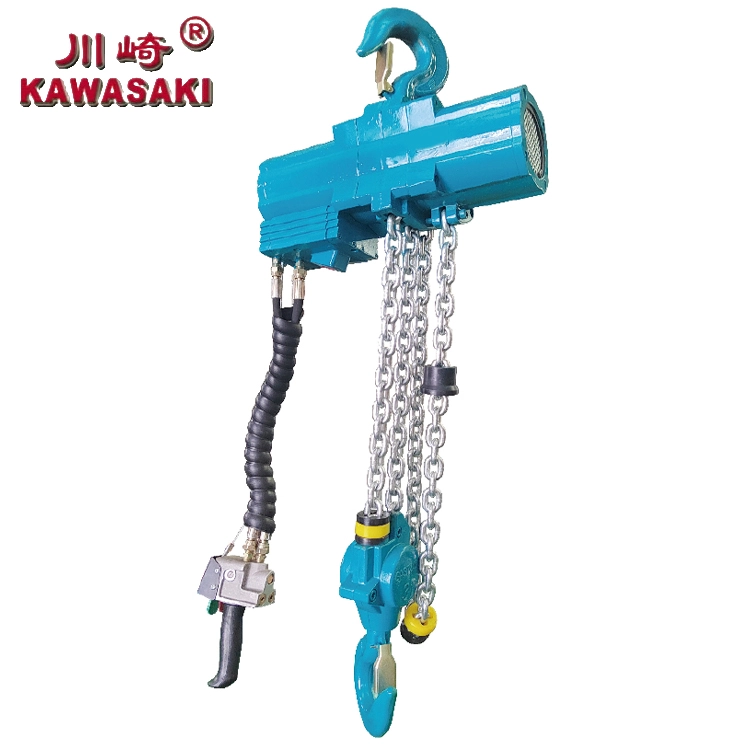
That type of solution is most relevant when the operator remains actively involved in guiding the load.
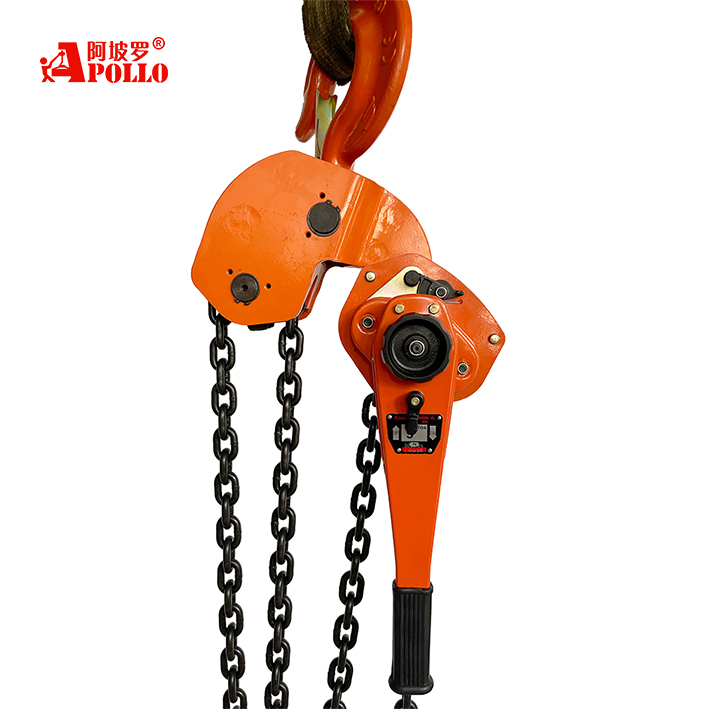
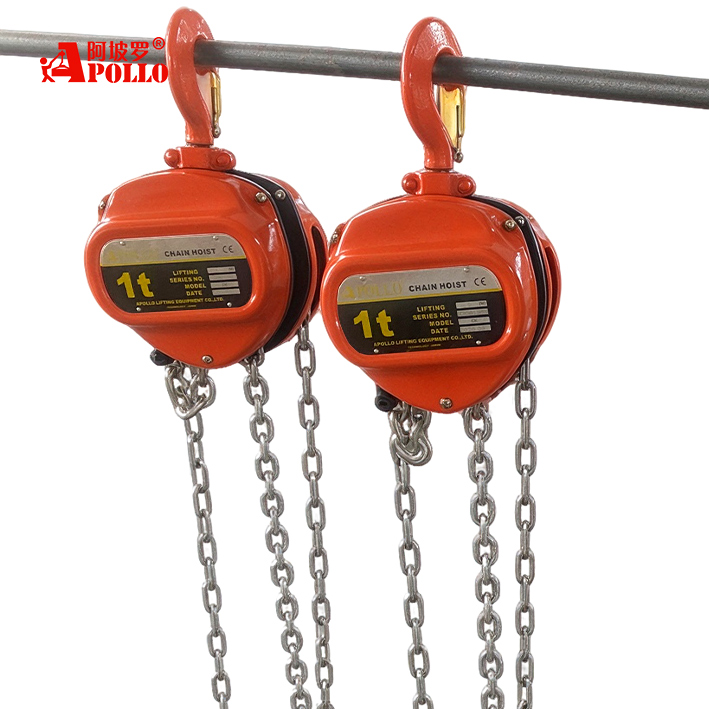
Where the job is dominated by controlled lifting and lowering rather than continuous hands-on positioning, electric chain hoists for repetitive lifting may offer a more direct equipment route. The final choice should still be checked against capacity, lift height, travel, production rate, control requirements, and the supporting workstation.
Choose the End Effector Around the Part
The gripping device is often as important as the lifting mechanism.
Vacuum tooling may suit parts with surfaces that can provide reliable suction, while porous, highly irregular, contaminated, or unsuitable surfaces can require another approach. Clamps depend on available gripping locations and dimensional variation. Magnetic tooling depends on compatible material and application conditions. Hooks or custom tooling may be more practical for parts with defined lifting points.
For workstations handling several SKUs, determine whether one adjustable tool can accommodate the entire range or whether interchangeable end effectors are more practical. The failure condition also matters: buyers should ask what happens to the load if gripping energy, air pressure, or electrical power is interrupted.
How Should the Workstation Be Designed Around the Operator and Cycle?
The lifting device cannot correct every ergonomic problem if the workstation itself still forces excessive reaching, bending, twisting, or unnecessary travel.
Keep Pick, Move, and Place Motions Inside a Practical Work Zone
Position materials so the operator can approach the load without excessive horizontal reach. Pickup height, fixture height, pallet position, and container orientation should be reviewed together with the lifting system.
Workstations shared by different operators may also require adjustment or enough movement range to accommodate different working positions. Extending equipment reach should not be the automatic solution if moving a pallet, fixture, or bin can shorten the cycle and simplify the lifting system.
For examples of how lifting requirements interact with space, tooling, workbenches, and production tasks, Apollo Hoist also discusses electric chain hoists for small manufacturing workshops, including applications involving motors, pumps, gearboxes, dies, fixtures, and fabricated components.
Match Controls and Assist Behavior to the Production Cycle
A device that can lift the load may still fail operationally if it responds too slowly, requires awkward controls, or makes fine positioning difficult.
Specify whether the operator needs simple up/down movement, variable speed, load holding, floating behavior, rotation, or fine positioning. Consider how often controls are used and whether the operator must simultaneously guide the part.
Production trials should use representative operators and realistic cycle conditions. The goal is to determine whether the complete workstation supports the required takt or cycle without replacing lifting effort with excessive pushing, waiting, or repositioning.
What Safety and Failure Conditions Should Be Specified?
Safety requirements should be defined around credible application conditions rather than addressed with a generic request for a “safe lifting device.”
Define Load Retention and Failure Behavior Before Ordering
Ask how the proposed system behaves during loss of electrical power, loss of air supply, incomplete gripping, overload, accidental release attempts, and other relevant abnormal conditions.
The required response depends on the lifting technology, end effector, part, and process. A vacuum-held component, clamped casting, and hooked load do not necessarily present the same failure considerations.
Buyers should therefore request an application-specific explanation of load retention, release controls, protective functions, and relevant interlocks instead of relying on a general statement that the system has safety features.
Validate the Complete Workstation With Representative Parts
A successful demonstration should prove more than the ability to lift one convenient sample.
Validation should include representative minimum and maximum loads, difficult part variants, actual pickup and placement orientations, the full motion path, changeovers where relevant, and realistic production rates. Custom end effectors deserve particular attention because small differences in geometry or surface condition can affect handling.
Where project scope permits, pre-installation run-off or acceptance testing can identify clearance, gripping, control, and cycle problems before the system reaches the production floor.
What Should Be Included in an Ergonomic Lift Assist RFQ?
A detailed RFQ makes quotations easier to compare because suppliers are solving the same defined application rather than making different assumptions.
Useful information includes:
- Part drawings, photos, or representative samples
- Minimum and maximum weight
- Dimensions, geometry, and relevant surface conditions
- Pickup and release orientation
- Rotation, tilt, positioning, or holding requirements
- Horizontal and vertical travel
- Normal and peak cycle rate
- Available electrical or pneumatic utilities
- Workstation dimensions and clearance restrictions
- Number of part variants
- Operating environment
- Required installation, commissioning, documentation, and training scope
For standard vertical lifting applications, Apollo Hoist’s electric chain hoists category provides a starting point for reviewing available product families. More application-specific requirements should still be checked against the selected product specification rather than inferred from the category alone.
How to Compare Ergonomic Lift Assist Suppliers
Supplier comparison should go beyond maximum capacity and purchase price. A qualified supplier should be able to discuss the application as a complete handling cycle: the part, gripping method, motion path, workstation, controls, utilities, installation constraints, and validation method.
For a custom ergonomic lift assist, buyers should ask whether the supplier reviews drawings or samples, evaluates reach and clearance, defines the end-effector concept, explains abnormal-condition behavior, and can clearly state what is included in installation, commissioning, documentation, training, and after-sales support.
Apollo Hoist offers both lifting-equipment product options and application-oriented information that can help buyers narrow the equipment direction before requesting a detailed quotation. The important purchasing step is still to provide enough application data for the proposed configuration to be checked against the real workstation.
Conclusion
Specifying an ergonomic lift-assist workstation starts with the task, not the equipment catalog. Define why manual handling is difficult, document the full load envelope, map the pickup-to-placement motion, establish cycle requirements, choose a suitable lifting and gripping method, and validate the system against actual production conditions.
For a project review, buyers can use contact Apollo Hoist to submit part weight and dimensions, drawings or photos, pickup and placement positions, required movement, cycle rate, available utilities, workstation layout, expected quantity, and other relevant operating conditions. Providing these details early gives the supplier a clearer basis for recommending and quoting an appropriate lifting configuration.
FAQs
Is there a fixed weight at which a lift assist becomes necessary?
No single weight determines whether lift assist is required. Frequency, reach, lifting height, posture, part handling, travel, and other task conditions also affect the decision. A lighter component handled repeatedly in an awkward position can justify a different solution from a heavier load moved occasionally.
How do I know what capacity lift assist I need?
Start with the maximum intended load, but do not stop there. The selected system should also be evaluated against the minimum load, part geometry, center of gravity, end-effector weight where applicable, travel, movement, and the manufacturer’s configuration limits. Capacity should be verified against the final product specification.
Can one lift assist handle multiple part sizes?
It may be possible when the load range, geometry, gripping locations, and required movements are compatible. Some applications can use adjustable or interchangeable tooling, while others require different end effectors. Provide drawings or samples for all important SKUs before finalizing the specification.
Is a vacuum lifter or manipulator better for repetitive material handling?
Neither is universally better. Vacuum lifting depends heavily on the part surface and gripping conditions, while a manipulator may be more appropriate when the application requires reach, rotation, orientation, or controlled positioning. The decision should follow the part and motion requirements.
What information should be sent to an ergonomic lift assist supplier for a quote?
Send part weight, dimensions, material and surface information, drawings or photos, pickup and placement positions, lift height, horizontal travel, required rotation or positioning, cycle rate, workstation layout, utilities, environmental conditions, and the intended installation scope.